
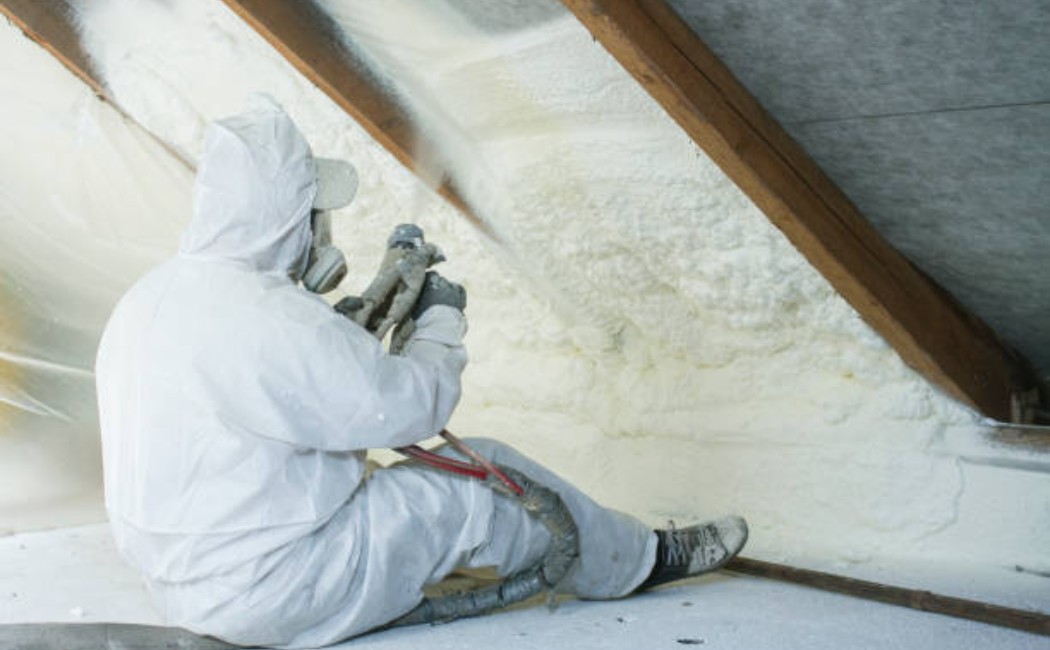
When designing a comfortable, affordable, and energy-efficient property, insulation is critical. Spray Foam is one of the most sophisticated insulation materials of the present day that provides better performance and benefits in the long term. This applies whether you are constructing a new building or renovating an existing one; spray foam is a modern approach to improved thermal protection and air sealing.
In this blog, we discuss what spray foam insulation is, how it works, and why it has become one of the most popular insulation options in the country for residential and commercial use.
What Is Spray Foam and How Does it Work?
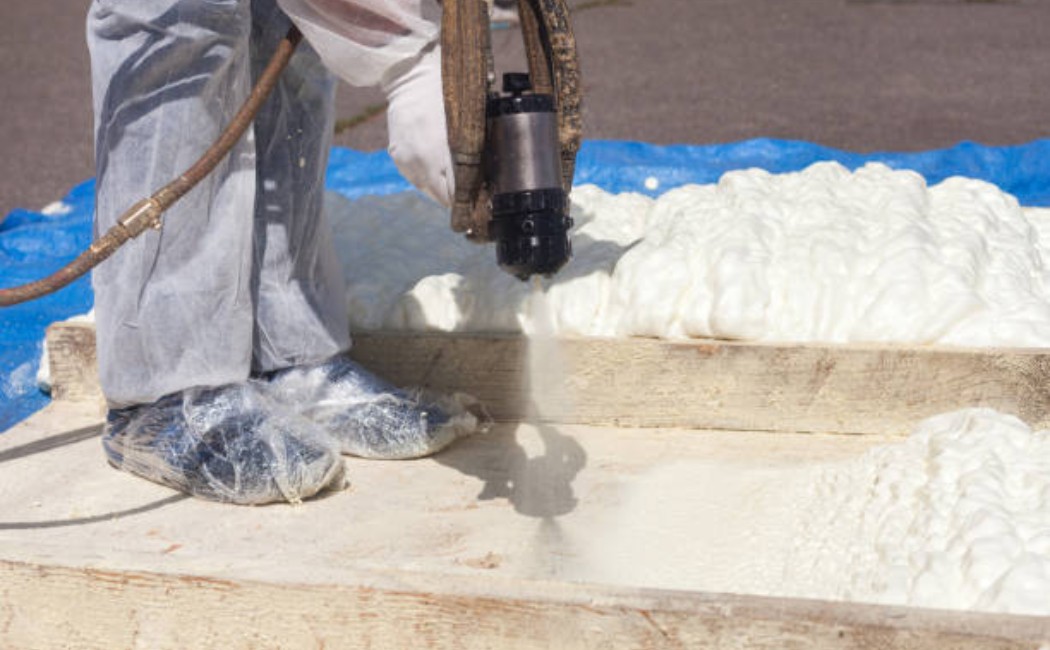
Spray Foam is a chemical substance that is developed by combining and recombining two liquid substances, polyol resin and isocyanate. When mixed, they spread quickly to form a thick foam that adheres to surfaces and hardens. This growth enables it to seal gaps, cracks, and cavities that conventional insulation materials might not cover.
Lightweight and Flexible Open-Cell Spray Foam.
Open-cell spray foam is less dense and less solid. It swells significantly when in use, making it convenient for filling in difficult areas. It is also open-structured, and therefore, some moisture vapour can pass through it, which is helpful in some climates.
Open-cell spray foam finds application in:
- Interior walls
- Attics
- Soundproofing applications
It is also well insulated against heat and sound, making it a strong choice for those who want to minimise outside noise.
Closed-Cell Spray Foam: Productive and Strong.
Closed-cell spray foam is denser and firmer. Its small cell structure is very impervious to water and air penetration. It also provides structural reinforcement to the walls and roofs.
Closed-cell spray foam is appropriate for:
- Basements
- Crawl spaces
- Exterior walls
- Commercial buildings
Due to its high R-value per inch, closed-cell spray foam delivers better insulation performance in small areas.
Installation of Spray Foam Insulation Process.
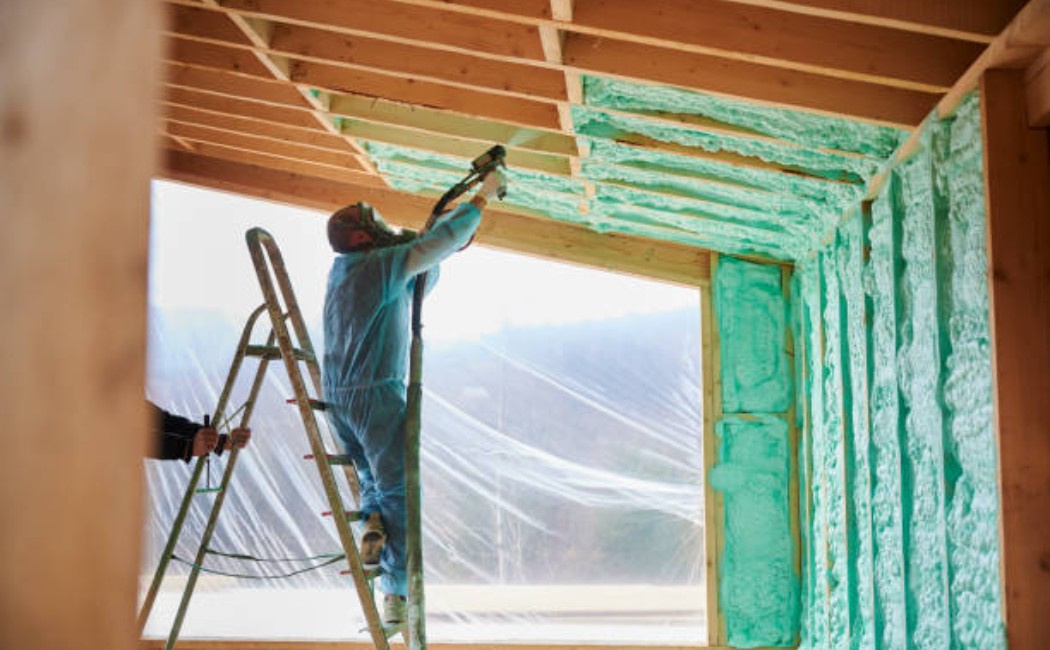
The installation of spray foam insulation requires professional expertise. Following the area evaluation, technicians apply liquid foam to the surfaces using specialized equipment. Within a few seconds, the foam expands, fills cracks, and creates an airtight seal.
When properly installed, it guarantees:
- Maximum energy efficiency
- Even coverage
- Long-lasting performance
It is necessary to hire trained professionals to ensure safety and optimal results.
What are the advantages of spray foam insulation?
The popularity of spray foam is driven by its many benefits.
The Advantages of Spray Foam Insulation to the Homeowners.
Spray foam insulation has the following major advantages:
- Superior air sealing
- High R-value per inch
- Long lifespan
- Waterproofing and mold resistance.
- Improved indoor air quality
Spray foam is lighter and does not settle over time, unlike traditional insulation. Such durability guarantees stable insulation performance over decades.
Installation Insulation Lowers Energy Bills.
A major reason homeowners prefer Spray Foam is that it reduces monthly utility costs. Spray foam creates an airtight barrier that prevents conditioned air from escaping and blocks outside air from entering.
This means:
- HVAC systems work less
- The temperatures inside are maintained.
- Consumption of energy is reduced.
Insulating to save energy is not just a short-term benefit; it is a long-term investment in your property’s efficiency.
Home Insulation that is Energy-Efficient
As energy costs rise and environmental concerns grow, many property owners need energy-efficient home insulation. Spray foam will also reduce the carbon footprint by minimizing energy waste.
An energy-efficient home:
- Maintains steady temperatures.
- Does not require significant heating or cooling.
- Proposals are made all year round.
Spray foam insulation supports sustainable living and increases the property’s overall value.
Fibreglass vs Spray Foam Insulation: Which is the best one?
Spray foam vs. fibreglass insulation is a consideration for many property owners. Although fibreglass has been in common use for decades, spray foam offers several clear benefits.
Air Sealing Capabilities
Fibreglass insulation can delay heat loss, but it does not eliminate air gaps. Spray Foam, on the other hand, expands to fill and seal gaps and cracks, creating a continuous air barrier.
This distinction is a serious influence on:
- Energy efficiency
- Indoor comfort
- Utility costs
Longevity and Durability
Fibreglass insulation can be squashed, humpy or worn out. The spray foam lasts for years before replacement, as it does not lose its shape or effectiveness.
Such strength makes spray foam a long term low cost solutio,n even though it involves a higher initial investment.
Thermal and Soundproof Insulation Performance.
Spray foam, compared with fibreglass, is generally better at thermal and sound insulation. Open-cell spray foam absorbs sound effectively and is suitable for interior walls and home offices.
Moreover, spray foam has better R-values per inch, particularly in closed-cell applications.
Where Can Spray Foam Be Used?
The spray foam is applicable in both residential and commercial buildings.
Residential Insulation Solutions.
Homeowners use Spray Foam in:
- Attics
- Walls
- Ceilings
- Crawl spaces
- Basements
All these residential insulation solutions help keep indoor temperatures constant and minimise the HVAC system’s load.
Spray Foam Insulation of Commercial Buildings.
Insulation Commercial spray foam is primarily employed in:
- Warehouses
- Office buildings
- Retail spaces
- Industrial facilities
For commercial properties, energy savings can translate into significant operational cost savings. Spray foam is also used to enhance structural integrity and moisture resistance in large-scale construction projects.
Specified Areas: Attics, Walls, and Basements.
Spray foam is especially valuable in such tricky areas as:
- Uneven surfaces
- Tight corners
- Hard-to-access cavities
Since it stretches when it comes into contact, it provides complete coverage that traditional insulation materials cannot achieve.
What is the Use of Spray Foam to Enhance Comfort in a House?
Comfort is not only about temperature; it also includes air quality, humidity, and noise.
Perfect Temperature Control throughout the year
The Spray Foam will reduce drafts and will control the heat loss during winter, and will control the cool air during summer. This provides a safe indoor environment despite the outdoors.
Wetness and Dampness Resistance.
Closed-cell spray foam is moisture impermeable, hence minimizing the chances of mould growth. This is especially motivated in crawl spaces and basements.
Improved Air Quality
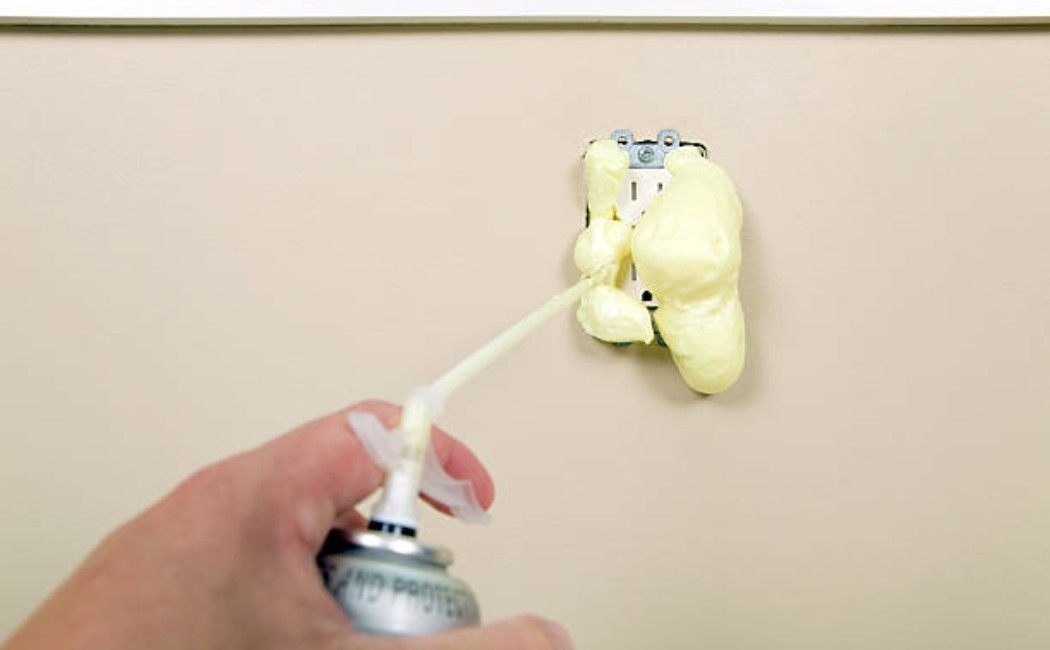
Spray foam prevents allergens, dust, and pollutants by blocking cracks and gaps. This helps to maintain a healthier indoor environment for occupants.
Should Spray Foam Be investable?
Although spray foam might be more costly in the short run than fiberglass, the long-term advantages usually pay off.
Long-Term Cost Savings
Spray foam saves money in the long run because of its high performance in terms of energy consumption. Savings are realized within the first year by many of the property owners.
Increased Property Value
Energy-saving modifications such as Spray Foam insulation have the potential of boosting the value of a property and attracting purchasers with an interest in eco-friendly properties.
Low Maintenance Profiles.
Spray foam does not need much or any maintenance, unlike other insulation materials. It is not easy to settle, shift, and degrade, and therefore is a solution that lasts decades.
Modernize Your House using professional spray foam.
When in need of an effective and durable insulation, Spray Foam is the best solution in either residential or commercial buildings. Attic Spray Foam Insulation, Wall Spray Foam Insulation, Ceiling Spray Foam Insulation, Crawl Space Spray Foam Insulation, and Basement Spray Foam Insulation. The professional services make sure that everything is covered and used to its fullest. Spray foam investment will result in years of enhanced comfort, reduction of energy expenses, and improved performance of the property.
Conclusion
Spray Foam insulation is not simply another new insulation product but rather a total package of comfort, energy saving, and saving money in the long run. Between high-quality air sealing, moisture resistance, and structural reinforcement, the advantages of spray foam cannot be matched with the already-existing insulation materials.
You are either renovating your house or doing upgrades to a commercial premise, and spray foam will provide long-term performance and value. To have a professional installation and reliable service, call T&A Insulation so that you can have their customized solutions to meet the requirements of your property.
Be prepared to be more comfortable and save on energy expenses? You can have a professional consultation about contact T&A Insulation today and start changing the space to be more energy-efficient!
Questions and Answers (Frequently Asked).
What is the duration of the life of spray foam insulation?
When installed correctly, spray foam insulation can be used for up to 20-30 years. It is not a sagging or settling insulation and therefore is a long-term insulation solution.
Is Spray foam insulation safe?
Yeah, when treated, spray foam is harmless and inanimate. Professional installations make sure the applications are handled and properly ventilated.
Is it possible to install spray foam in homes that already exist?
Absolutely. The spray foam can be used in attics, walls, crawl spaces, and basements of existing buildings with minimal disturbance.
Do spray foams save on energy bills?
Yes.Through the airtight seal, Spray Foam helps save a lot of money on heating and air conditioning, as well as ensures that people can save on energy bills through insulation.
What is the distinction between open and closed cell spray foam?
The open-cell spray foam is lightweight and more appropriate for soundproofing, whereas closed-cell spray foam is heavier, more waterproof, and has a higher R-value.