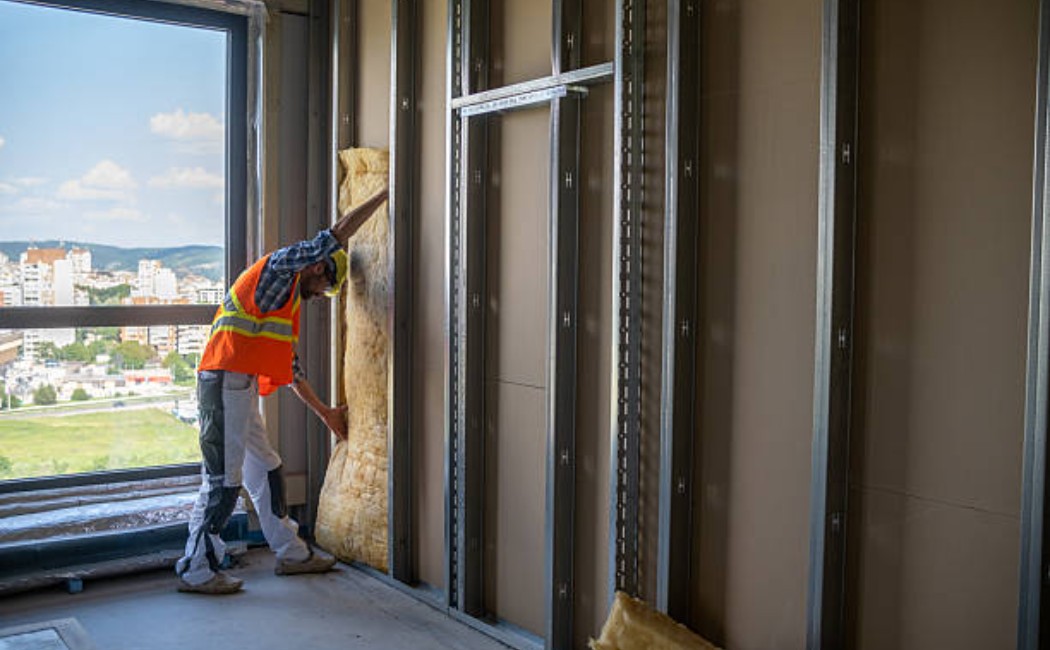
Effective insulation is very important in modern buildings and remodeling. Materials that offer reliable performance, good value, and suitability for various areas of the house (such as walls, attics, and floors) are requested by homeowners. Fiberglass batt insulation has been used for many years and is still widely used due to its cost and track record. It is one of the most widely used materials for insulating homes for comfort, energy efficiency, and long-term performance. However, proper application and installation are essential to its functionality.
We will go over what it is, how it functions, the many kinds, how it stacks up against other insulation alternatives, and how to choose the best option for your house in this complete guide. We will also discuss the main advantages of fiberglass insulation and stress the importance of hiring a skilled installer.
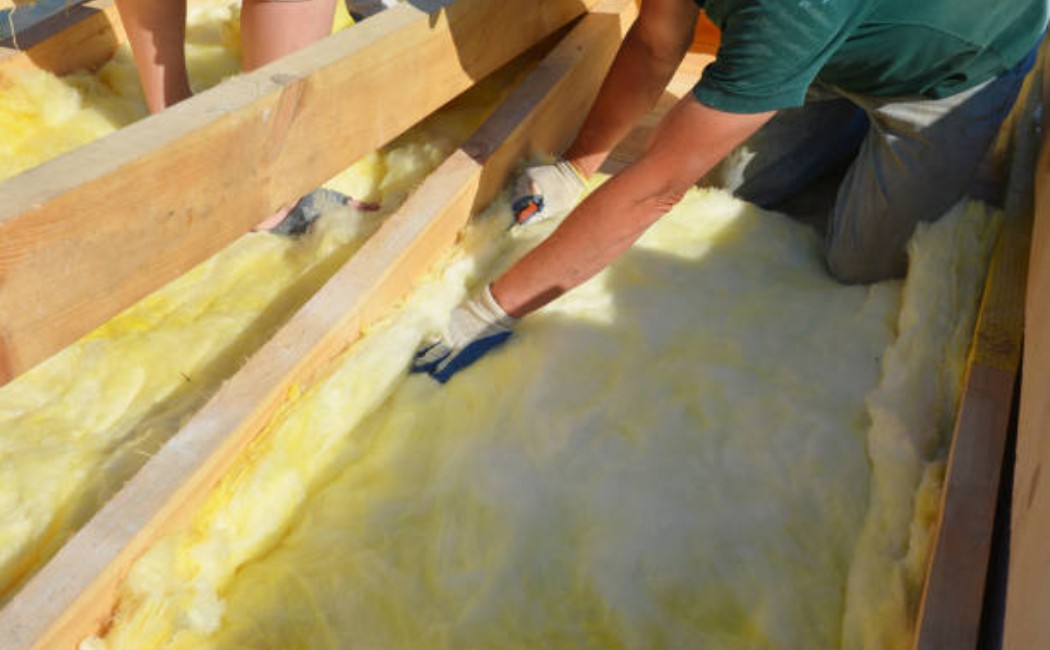
How Insulation Works in Fiberglass Batts?
Inside the structure of fiberglass batt insulation are thousands of microscopic air pockets. The insulation is a poor thermal energy conductor because of these pockets, which trap air and interfere with heat flow.
Fiberglass batts must not be crushed during or after installation in order to be effective. Additionally, there must be no spaces remaining between the batts because heat can enter any space where air can.
1. The Science Behind The Insulation
Slowing down heat transmission, whether it be from heat entering your home in the summer or outgoing in the winter, is the basic idea of thermal insulation. Air pockets are trapped by the spun glass fibers used to make fiberglass insulation. The rate of heat flow is slowed by these still air pockets’ resistance to heat conduction and convection.
2. The significance of material structure and the R-value
An insulation material’s resistance to heat flow is determined by its R-value; the higher the R-value, the better. R-values for fiberglass batts typically fall between R-2.9 and R-3.8 per inch of thickness. However, correct installation—that is, complete contact with the framing, no gaps, and no compression—is necessary to achieve the indicated R-value.
3. The Importance Of Installation Quality
If installed improperly, even the best material will perform poorly. Poor fitting, gaps, compression, or improper air sealing can all drastically lower the efficiency of fiberglass batts. One build-science investigation, for instance, discovered that batts’ actual performance frequently falls short of their rated values. Excellent Homebuilding Plus The material’s intended performance and the integrity of the air pockets are guaranteed by well-executed construction.
Fiberglass insulation types, such as fiberglass rolls versus batts
What are fiberglass batts?
Fiberglass batts are insulated pieces that are pre-cut or pre-sized to fit between studs and joists, which are common building components. They are among the most often used types of insulation for homes.
Batts versus fiberglass rolls
While batts are pre-cut to width and length, rolls are continuous lengths of insulation that can be cut to size. Batts are frequently simpler to install in conventional frame bays, but rolls may provide greater flexibility for covering wide spans or exposed walls. Take into account waste, fit within the frame, and ease of installation when contrasting fiberglass batts and rolls.
Additional forms: spray, blown-in, and loose-fill
Fiberglass insulation is available in spray-on and loose-fill (blown into attic floors or cavities) forms in addition to batts and rolls. These are helpful for irregular cavities or retrofit applications. When considering insulation enhancements, these variations give you more options.
Advantages of Fiberglass Insulation
1. Improvements in thermal and energy efficiency
The increased thermal comfort of a house is one of the main advantages of fiberglass insulation. By stabilizing interior temperatures, proper insulation reduces the need for cooling in the summer and heating in the winter. According to some reports, properly placed insulation can result in energy savings of up to 25–40%.
2. Fire resistance and sound absorption
In addition to providing thermal insulation for homes, fiberglass batts also help reduce noise (soundproofing) and have built-in fire resistance because glass fibers are non-flammable. They are therefore preferred in homes with multiple rooms, shared walls, or situations where acoustic comfort is important.
3. Advantages for moisture and the environment
Modern fiberglass insulation is more environmentally friendly than its predecessors since it incorporates a significant amount of recycled glass. Furthermore, fiberglass does not collect moisture like other biological insulation materials do, which reduces the likelihood of mold growth—as long as ventilation and installation are done properly.
4. Insulation for energy-efficient homes
Making the right insulation choice is crucial to ensuring that your home uses energy effectively. When installed properly, fiberglass batt insulation reduces HVAC loads and strengthens the building envelope against heat transfer. This results in a more environmentally friendly house, lower energy expenses, and year-round more comfortable interior temperatures.
5. Long-term Value And Versatility
Because they come in conventional widths and thicknesses and may be used in both new construction and retrofit settings, batts offer exceptional value. Furthermore, compared to certain foam systems, they are simpler to access in the future (for instance, if wiring or piping needs to be replaced). Additionally, because of their improved manufacture (recycled content, safer binders), contemporary batts are more future-proof.
6. Use Cases and Practical Factors
If you are working with traditional framed walls, open attic joists, or ceilings in a single-family home, fiberglass batts are a very practical choice. When paired with additional tactics, like proper installation, humidity management, and air sealing, they can deliver exceptional performance. They are a sensible and effective solution among the variety of residential insulation choices.
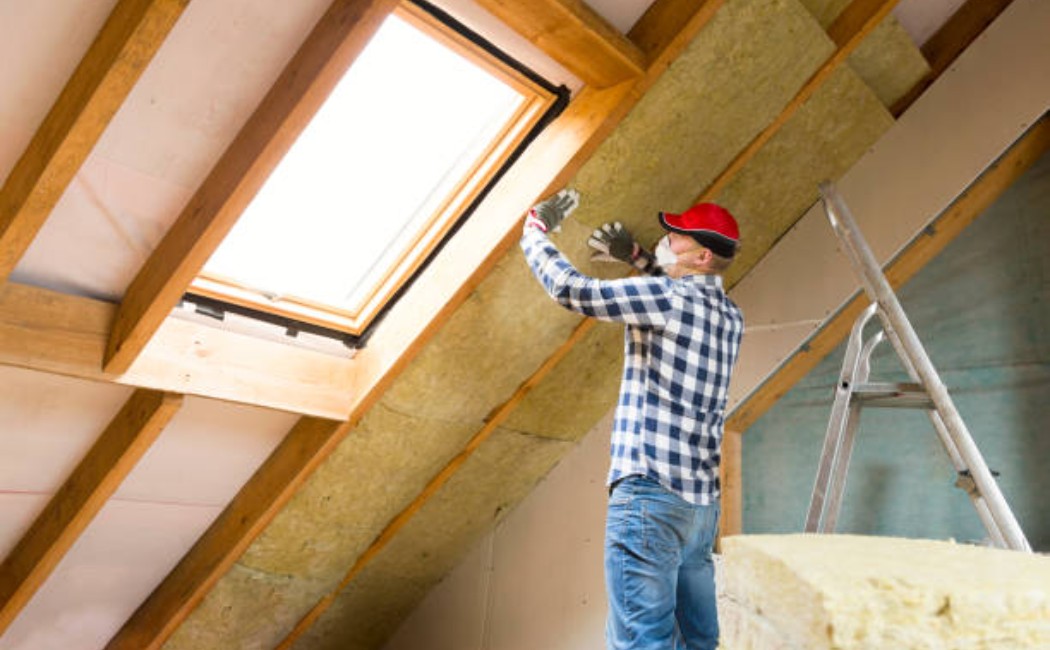
Fiberglass Batt Insulation Pros and Cons
Pros:
- Relatively cheap in comparison to more costly alternatives. Better Spray Foam
- Homeowners and contractors are familiar with it and can easily access it.
- Optimum thermal performance when positioned appropriately.
- Both sound-absorbing and fire-resistant.
- More environmentally friendly (recycled materials).
Cons:
- It needs to be positioned exactly for best results; gaps, compression, or a poor fit reduce performance.
- Does not produce an air barrier on its own; air sealing requires individual attention.
- Compared to more costly options like spray foam, it may offer a lower R-value per inch and perform less well in extreme retrofit scenarios.
- Readily damaged by exposure to dampness, poor installation, or slow sagging.
How Can I Choose the Best Fiberglass Batt Insulation Company?
- Check Experience & Certification: Confirm that the business uses certified, experienced, and qualified insulation installers.
- Check License & Insurance: Always confirm that the company is licensed and insured against liability and workers’ compensation.
- Ask About Their Knowledge of R-Values: They should be able to tell you what R-values are suitable for your home and climate zone.
- Analyze Prior jobs & References: Look at customer reviews, assessments, or pictures of completed insulation jobs.
- Get a Complete Estimate: The quote should include labor, supplies, cleanup, and warranty; there should not be any additional costs.
- Check Product Quality: Ensure that they use high-quality fiberglass batts from reputable producers (such as Owens Corning, Johns Manville, etc.).
- Inquire about moisture control and air sealing: A respectable company will also take care of air gaps, ventilation, and vapour barriers for the best results.
What Makes Us the Best Option for Your Project?
Do you require professional insulation services for fiberglass batts? T&A Insulation is the place to go if you want high-quality, energy-efficient insulation solutions. Our skilled installers provide precise installation, comprehensive coverage, and outstanding R-value performance thanks to their proficiency in both residential and commercial attic insulation. Comfort and long-term durability are guaranteed by our use of premium fiberglass materials from top producers. Whether you need insulation for a new construction project or a retrofit job, we offer expert workmanship, dependability, and customer satisfaction.
Final Thoughts
One of the most dependable and affordable ways to increase home comfort and energy efficiency is still fiberglass batt insulation. It is a wise investment for households due to its capacity to minimize heat loss, improve indoor comfort, and cut utility costs. However, proper installation and high-quality materials are necessary for its full function. You can guarantee long-lasting results, a healthier indoor environment, and excellent insulation performance throughout your house by working with knowledgeable professionals. For knowledgeable fiberglass batt insulation services you can rely on, get in touch with T&A Insulation right now.
FAQs
Q1: What is the insulation function of fiberglass batts?
It is used to insulate attics, walls, and floors to maintain indoor comfort and save energy.
Q2. How does insulation made of fiberglass batts work?
It limits heat transfer by trapping air inside tiny glass strands to keep homes warm or cold.
Q3: What are the main benefits?
It is affordable, environmentally friendly, energy-efficient, fire-resistant, and soundproof.
Q4: How long does fiberglass insulation last?
If done properly, fiberglass batt insulation can last 80–100 years.
Q5: Why should I use professionals to set up my system?
Experts ensure proper installation, no gaps, and maximum insulation effectiveness.