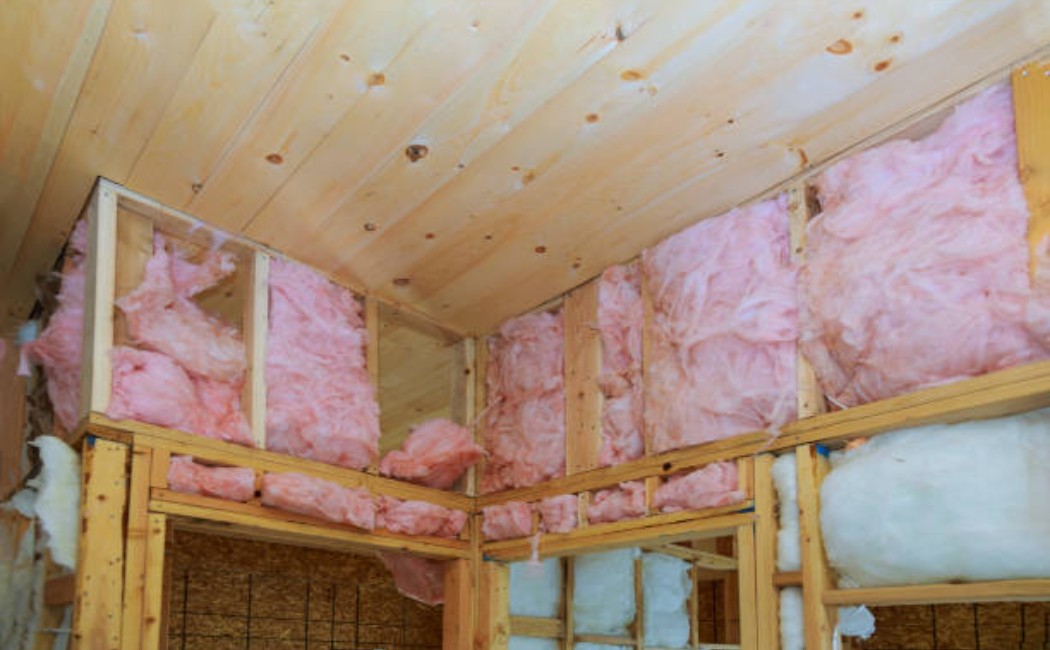
More and more homeowners are turning to blown insulation services for more energy efficiency and comfort. This process consists of spraying insulation materials such as cellulose insulation or fiberglass blown insulation into attics, into walls, and into other spaces. Because of its effectiveness and versatility, over the years, blown insulation has become one of the most recognized home insulation methods.
In the event you are upgrading your attic or looking to reduce monthly utility bills, knowing the various types of blown insulation, alternatives to blown-in attic insulation, and the cost of blown-in insulation is important prior to arranging professional insulation installation services. This is the reason the process of installation, insulation performance, and the benefits of blown-in insulation are the most important factors considered.
What constitutes blown-in insulation?
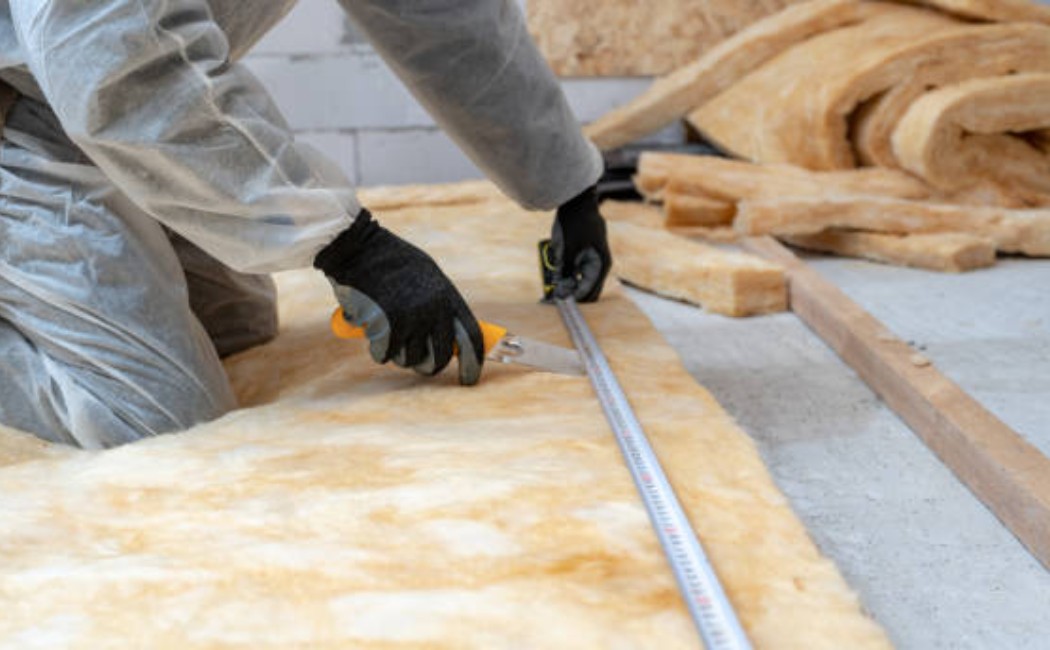
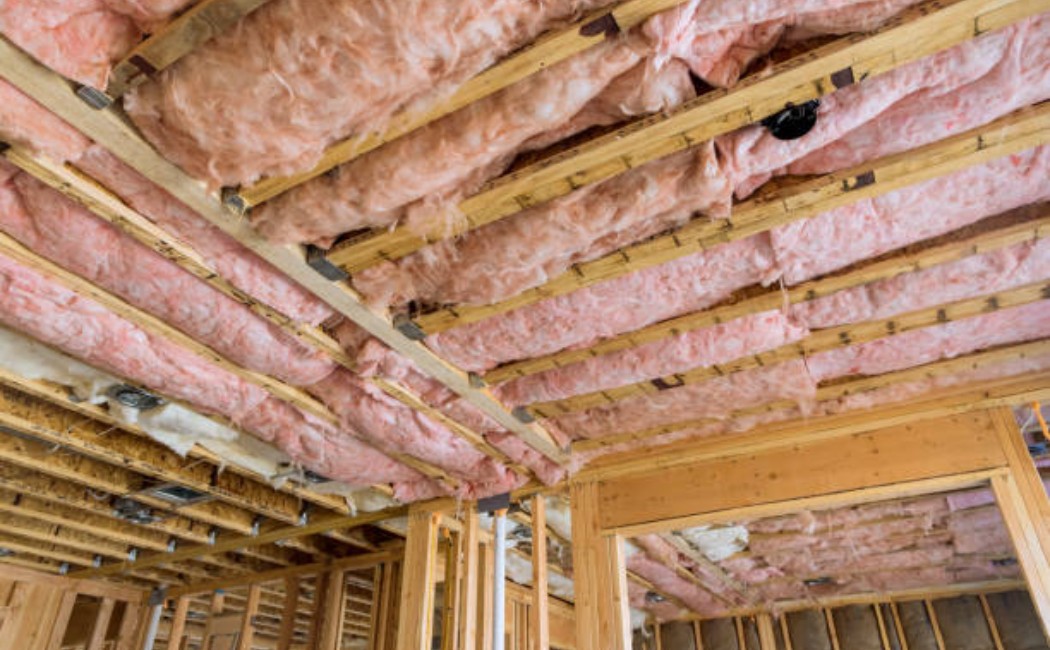
This insulation is an insulating material made from tiny debris and insulating fabric and is known as free-fill insulation. Cellulose, fiberglass, and mineral wool are the most typical insulating materials. Unlike traditional insulation, which is available in pre-cut rolls and batts, blown-in insulation uses specialty tools that blow fabric into the required area.
This technique consists of putting insulation in fabric, breaking the fabric into smaller pieces, and blowing them into walls, attics, and other regions. The blown particles work in a way that they fill all the nooks and crannies, and create a powerful defense against warmth escaping/moving, and encroaching. This method is seamless and allows for thorough insulating coverage of difficult-to-reach regions, which is why older homes and structures that have wavy, misaligned, or incomplete designs are perfect candidates for blown-in insulation.
What is the Difference between the types of blown-in insulation?
There are various types of blown-in insulation, and understanding them can give you insight into which material would work best for your house.
1. Cellulose Insulation
This type of insulation is made from recycled, fire-retardant-treated papers, is eco-friendly, and offers great thermal insulation. Loose-filled cellulose insulation makes it easier for the insulating material to fill and settle into smaller gaps and depressions, and this feature gives it great thermal insulating capabilities.
2. Fiberglass Blown-In Insulation
Fiberglass-blown insulation is non-combustible and lightweight and will not absorb moisture. Due to its uniformity, insulation, and instant energy efficiency, it is highly recommended for attics and walls.
3. Other Insulation Material
Even if the insulation used is primarily fiberglass and cellulose, some contractors may provide mineral wool or other non-standard eco alternatives for some specialized insulating scope. Your specialists in blown-in insulation will certainly provide you with the best insulation material for your house and climate.
4. Mineral Wool
Certainly made with volcanic rock or slag, wool is an excellent thermal and sound insulator. Also, it’s fire and heat-resistant, although it may generally be more expensive than other varieties of blown-in insulation. It’s an essential option for some homeowners and contractors.
5. Spray Foam
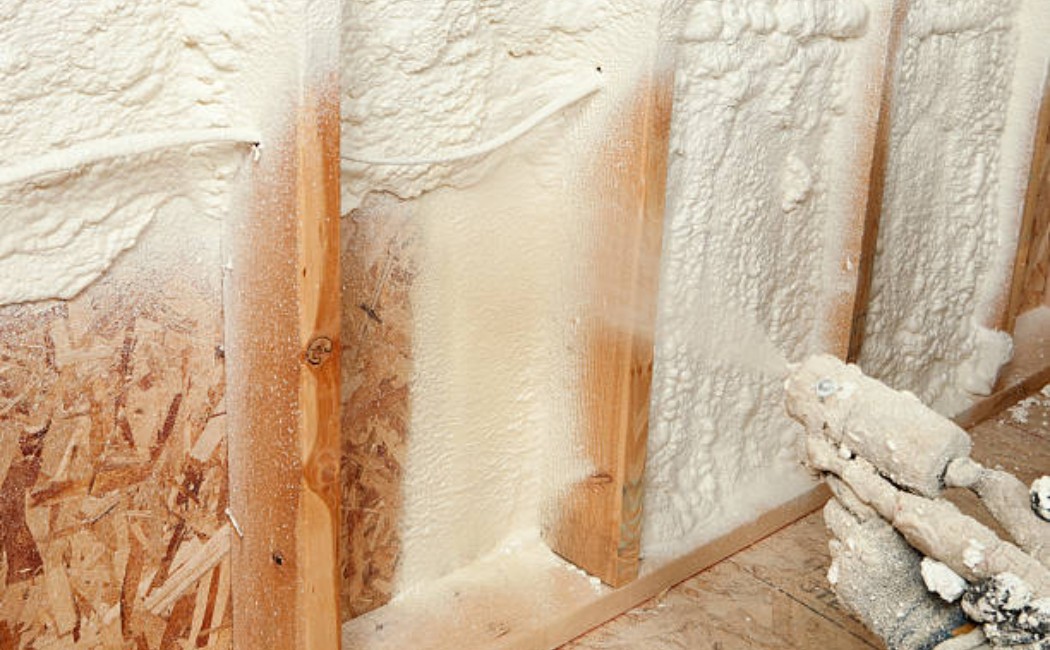
Unlike loose-fill insulation, spray foam expands and hardens to form an airtight seal. It is a great option for places that are irregular or hard to access and need to be insulated. It may also be more expensive and may require professional installation.
6. Polyurethane
This type of insulation is also very similar to spray foam insulation. Polyurethane also expands and hardens to form a detailed protective seal. Furthermore, it gives unmatched thermal resistance and is also not affected by moisture and mildew. Unfortunately, it can also be more expensive and likely will need to be done by a professional.
What Are The Advantages Of Blown-In Insulation?
The many advantages provided by blown-in insulation make it a popular choice for consumers trying to increase comfort and insulation efficiency.
- Energy Efficiency And Cost Savings. Blown-in insulation, when installed correctly, decreases heat loss during the winter and summer and allows the home to maintain cooler temperatures for the duration of the summer. This leads to lower energy bills. Owners of homes often notice a large savings on bills after improving insulation and covering the attic.
- Ease of installation and coverage. Blown-in insulation, unlike batt insulation, shapes to the space and fills nooks and crannies, which guarantees full coverage. This characteristic also makes it a great choice for retrofits on older homes.
- The insulation creates a more comfortable and quieter space. This is done through lessening the transfer of sound and vibrations through the walls and floors.
- Fire Safety: Finally, blown-in insulation gives a home a degree of fire safety that the building would not otherwise obtain, especially when fire-resistant materials like cellulose are used as insulation. These materials can also provide thermal barriers to enhance safety by slowing fire spread and retaining heat.
- Environmentally Friendly: Of all the possible insulation choices available, converting your home or building with Blown-In insulation is one of the most environmentally sustainable alternatives. Of the many types of insulation, numerous options for Blown-In material are made of recyclables such as newspapers, cardboard, or glass fibers.
Why Use Professional Blown-In Insulation Services?
Professional service gives the most return on your insulation investment by offering peace of mind for the demanding procedural steps as well as specialized workmanship.
- Experience: Industry pros have completed numerous insulation projects, increasing the probability that the equipment will be successfully installed and that it will be compliant with your locality.
- Customized Services: Industry pros have specialized in singular attic insulation upgrade to multi-faceted home retrofitting, and have other customized services based on your home.
- Safe and Appropriate Tools: Partnering with a reputable company to install attic insulation upgrades gives you peace of mind that quality materials such as cellulose and fiberglass will be used, and that the most effective device for the job will be used.
What Is the Process for Installing Blown-in Insulation?
By employing a reputable company for attic insulation upgrade, you guarantee a job well done in all aspects.
- Preparation and Safety
- Installing The Insulation
- Site Assessment
Your Trusted Partner For Professional Blown-In Insulation?
When looking for reliable blown-in insulation services, T&A Insulation has built a reputable name in the industry. Our company has a team of blown-in insulation specialists and offers the best-in-class equipment, experienced installers, and personalized solutions for every residence. From insulation contractors to complete attic insulation renovations, we deliver energy efficiency, cost savings, and overall customer satisfaction. For professional counsel, exceptional service, and positive outcomes, choose T&A Insulation, the foremost company in blown-in insulation.
Conclusion
Blown-in insulation is a flexible and effective solution for homeowners looking to improve efficiency, comfort, and overall value savings. It can be tailored to attics, walls, and other spaces. By working with insulation professionals, you can achieve insulation and proper coverage and installation that meets safety regulations. Whether you are looking to improve insulation in your attic or perform a whole-house overhaul, blown-in insulation provides excellent thermal insulation, noise attenuation, and durability. Contact T & A Insulation and don’t delay in improving your home’s insulation and overall efficiency.
Commonly Asked Questions
Q1: How long does blown-in insulation last?
A1: When properly installed, blown-in insulation can last 20–30 years or more and maintain energy efficiency for many years.-
Q2: Can blown-in insulation be installed in existing walls?
A2: Yes, professionals can retrofit existing walls, attics, and other difficult-to-reach places without major construction.
Q3: Is blown-in insulation fire-resistant?
A3: Most cellulose insulation is treated with fire retardants, and fiberglass is non-combustible, making both a safe option.
Q4: Will blown-in insulation reduce my energy bills?
A4: Yes. Well-installed insulation can reduce heating and cooling costs by 30% or more, depending on your home. To achieve improved insulation performance for a residential property, many homeowners use a hybrid approach of adding blown-in insulation to other insulation types.