
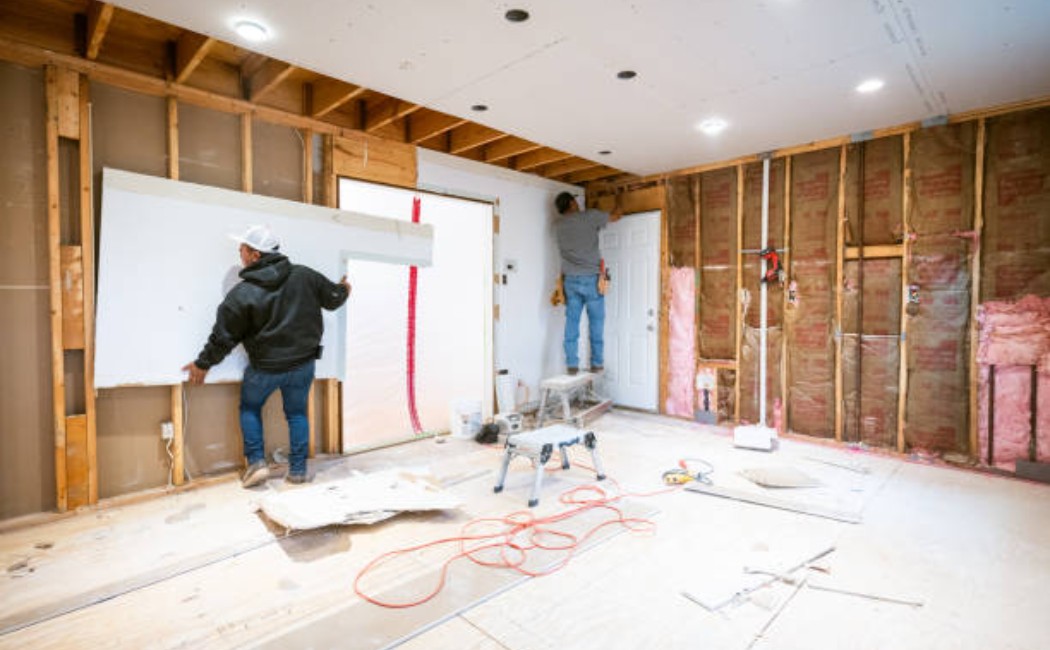
The first step towards a comfortable, energy-efficient home is good insulation. Whether constructing a new home or improving an existing one, the different home insulation services that are available are reflected in the comfort and performance of one’s home. Insulation is a shield against heat loss in the winter and, to a lesser extent, heat gain during the summer, thereby maintaining consistent interior temperatures and energy costs.
There are multiple options available according to your needs. In this blog, we will explain what you need to know about proper insulation, how to choose a good contractor, and also examine the potential savings on your heating expenses.
Why Does Home Insulation Matter?
Here we discuss it in some points, such as:
- The proper insulation will help to keep your house warm during the winter and cool during the summer.
- It also decreases your energy bills and your impact on the environment.
- If the insulation is poor, you will most likely have drafts, uneven temperatures, and increased energy costs.
- The good news is that highly efficient energy home insulation will save you money.
Benefits of Home Insulation Services
- Lower your heating and cooling costs.
- Having even indoor temperatures boosts your comfort.
- Improved energy efficiency reduces your carbon footprint.
- Your home appreciates.
- Moisture, mold, and structural problems are prevented.
Different Types of Home Insulation Services
Selecting the appropriate insulating material for your home requires careful consideration of many factors. Every material has its own unique characteristics. Here, we will discuss the basic types of insulation for residential purposes.
1. Attic Insulation
In many houses, the attic is the primary space for heat loss. Well-placed attic insulation enhances the range of control for the interior climate, reducing the cost of heating the home. Attic insulation services include:
- Installing blown-in insulation: Most important for oddly shaped areas, it fills voids remarkably well.
- Fiberglass batt insulation: Economical, it is simple to position in attics that adhere to standard spacing.
- Spray foam insulation for homes: Offers top-tier air sealing, in addition to the required thermal protection.
2. Ceiling And Wall Insulation
A major part of the heat energy loss, as well as the energy gain, is through walls and ceilings. Optimal installation improves the energy efficiency by reducing heat transfer to a minimum.
- Spray foam insulation: Offers excellent energy saving by filling gaps and voids.
- Fiberglass batt insulation: Excellent for new build construction or remodeling projects.
- Blown-in insulation: Ideal for retrofitting walls in existence without significant demolition.
3. Replacing and Upgrading Insulation
As time passes, older insulation loses its functional efficiency. Insulation replacement and upgrades specialists can:
- Remove the damage and old insulation.
- Use new, energy-saving insulation material.
- Enhance comfort and improve indoor air quality.
Factors to Consider When Choosing Home Insulation
When determining what type of insulation will work best in your home, several factors must be taken into account. These include, but are not limited to, the following:
1. Installation Area
Different sections of a house will require insulation of varying types. For example, an attic will more likely be fitted with loose-fill insulation, whereas spray foam insulation will be more appropriate for sealing windows and doors.
2. Budget
Some insulation materials may be more expensive to purchase than others, yet in the long run, they will save you more due to lower energy consumption. Try to consider the cost of each insulation material relative to the savings.
3. Climate
The regional climate of a location influences what types of insulation would be in greater use. Homes in regions with more extreme cold temperatures may prefer using insulation materials with a greater R-value due to significant heat loss.
Choosing the Right Home Insulation Services
Before selecting any insulation service, you should check these things:
- Experience and Knowledge: Hiring contractors with different services and material expertise will be helpful.
- Insurance and Licensing: A company’s licensing and insurance will ensure your home and capital are safeguarded.
- Clear Estimates: A dependable contractor will offer you clearly defined costs, timelines, and scopes.
- Testimonials and References: Gather feedback on completed projects from insulation contractors and reviews from past clients. This step ensures you assess their reliability as well as the quality of their work.
What Material Is Best For Home Insulation?
1. Mineral wool fiber
These are flexible and cheap. Being fireproof and easily handled for DIY top-ups makes them popular for lofts. The recommendation is still 270 mm to achieve reasonable insulation. Alternatives for insulation materials include fiber blended with recycled newsprint and sheep wool.
2. Rigid foam boards (PIR)
These are made of plastic foam and designed with a slim insulation profile to achieve any insulation for rafter roofs. They can be perfect for floor and external wall insulation too. Ensure insulation materials comply with their intended insulation performance to avoid fire safety risk.
3. Loose-fill and blown products
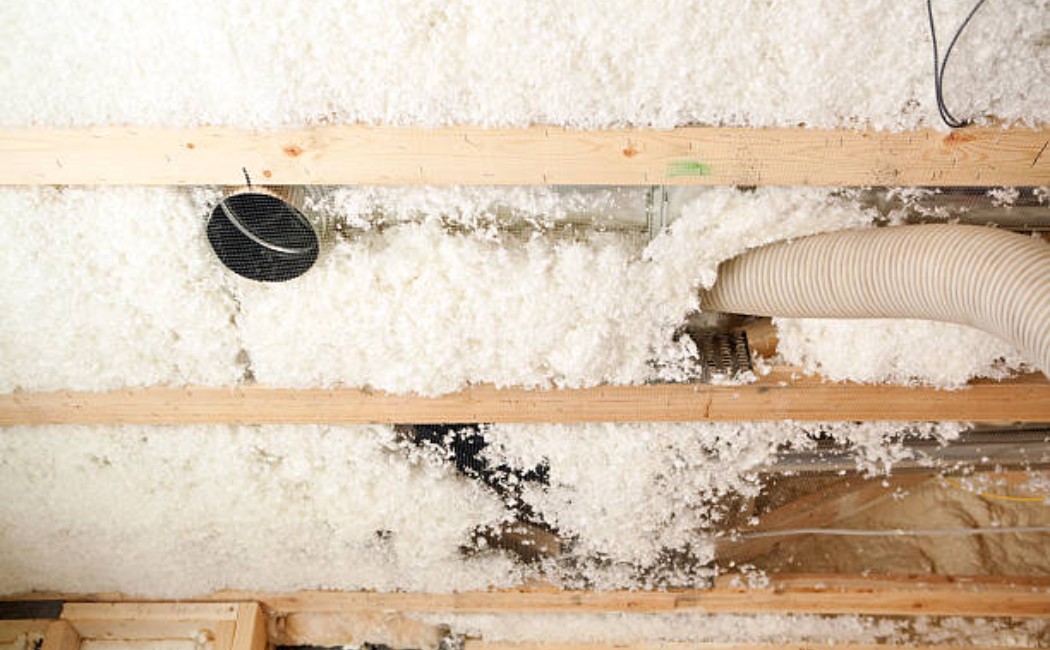
These are insulation materials that can be efficiently blown into marked loft voids and wall cavities with minimal mess.
4. Spray foams
Hard-setting foams that are sprayed on become permanent insulation. They solve awkward detailing and can be problematic to remove if they trap moisture. They also seal gaps and fill voids to be a permanent solution.
Consequently, mortgage lenders are unwilling to offer mortgages on properties that feature spray foam insulation.
5. Reflective and multi-foil membranes:
Multi-layered aluminum membranes consist of two sheets of foil sandwiching layers of polyethylene foam, and are popular when space is an issue, especially in internal wall insulation.
Insulation Services for Residential and Commercial Buildings
This guide is directed mostly to the needs of residential insulation; for commercial insulation, it is on a larger scale and encompasses:
- Office spaces’ wall and ceiling insulation
- Insulation for Energy-efficient Industrial Buildings
- Heavy-duty commercial-grade spray foam or blown-in insulation
Our expert home insulation contractors are beneficial for both residential and commercial projects.
Why Should You Choose T & A Insulation for Your Home?
Regarding home insulation services, T&A Insulation upholds quality, expertise, and reliability. We provide:
- Residential insulation installation.
- Attic, wall, and ceiling insulation.
- Spray foam, fiberglass batt, and blown-in insulation.
- Insulation replacement and upgrades.
T&A Insulation combines innovative, energy-efficient strategies and the insulating technologies of modern insulation professionals to balance the comfort and safety of your home with its economic value. From T & A Insulation, expect quality service that will protect your home for years.

Conclusion
Home insulation is a very smart investment because it provides comfort, energy efficiency, and long-term savings. Proper insulation services, home or otherwise, consider health and sustainability and lower costs associated with heating and cooling the home or other structures. From attic spray foam insulation to walls, ceilings, and blown-in insulation, choosing the right professionals with the right materials will ensure value and longevity.
Year-round, every home should have insulation that provides services expectations of winter warming expectations, summer cooling expectations, and cost savings year-round.
If you are looking for high-quality work, trust T & A Experts in home insulation. The team provides combined insulation installation of home energy and other efficiency techniques for long-lasting insulation value.
Call T & A Insulation today to lower energy costs, enhance comfort, and realize the value expert insulation brings.
FAQs:
What is the best type of insulation for my home?
The best type of insulation depends on the design of your home. For instance, the attic can be insulated with blown-in insulation or spray foam insulation.
How long does home insulation last?
Good quality insulation, if installed to code, can last two to three decades. However, there are some materials that may be installed that will require replacement or upgrades sooner.
Can I install insulation myself?
There are some small scope DIY solid insulation projects, but home insulation contractors will guarantee safety and coverage, as well as compliance with standards of industry standards and practices.
Does insulation help reduce energy bills?
Yes, insulation that is properly installed drastically reduces the cost of heating and cooling a house and improves comfort.
How do I know if my insulation needs replacement?
Signs of insulation material needing replacement include visually fractures as well as drafts, uneven temperatures, and increased energy expenditure.