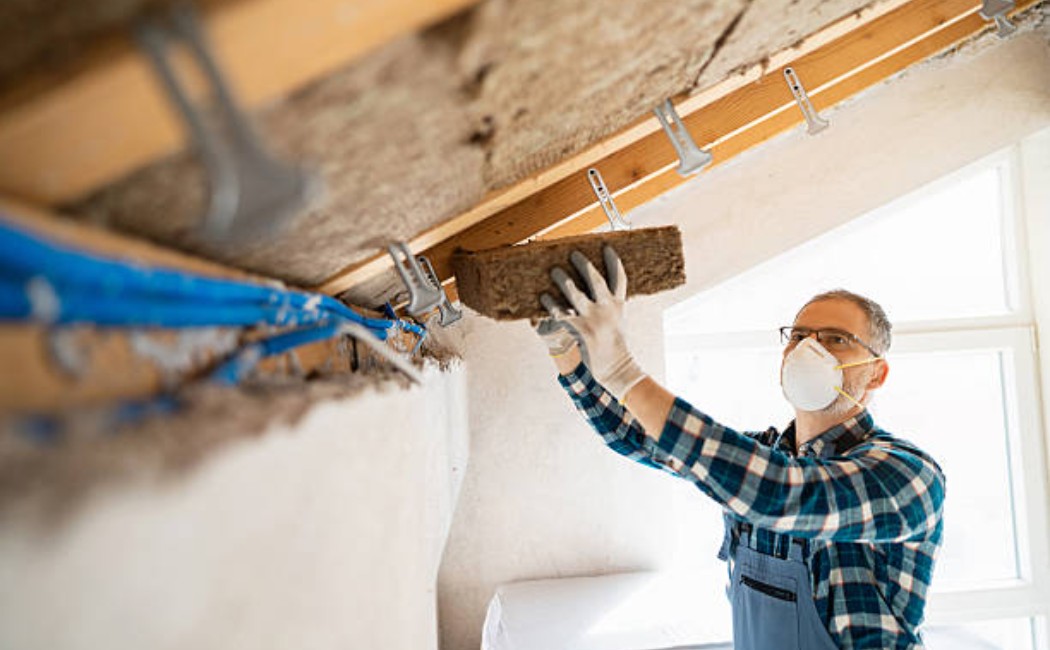
When building a comfortable, affordable house, the insulation must be chosen appropriately. As energy costs rise and environmental issues become a major concern, homeowners are seeking smarter solutions that deliver long-term performance. Professional Insulation Services can be important in helping maintain your home so it is energy-efficient, cozy, and eco-friendly.
We are going to discuss the different forms of insulating a home, the most efficient insulation materials, and how to make the most out of the energy efficiency when insulating the home through intelligent decisions and appropriate installation.
Learning the Thermal Insulation Solution Significance
Proper insulation does not just keep your home warm in winter and cool in summer. It acts as a thermal insulator, reduces energy waste from heating and cooling, and enhances indoor air quality.
Thermal Insulation Solutions Increase Energy Efficiency
There are effective thermal insulation solutions that reduce heat transfer between the inside and outside of your house. The insulation traps heat inside during winter and blocks hot air during summer. This thermal control is useful:
- Minimize demands on HVAC systems.
- Keep the indoor temperatures the same.
- Lower monthly utility bills
- Increase the lifespan of heating and cooling systems.
- Home energy saving with appropriate insulation tricks.
Among the most effective home energy-saving measures, installing old insulation should be included. It is also possible to conserve energy significantly with proper home insulation, using methods such as air-leakage sealing and insulating key areas of the house, such as attics and walls.
Key areas to focus on include:
- Attics
- Exterior walls
- Basements and crawl spaces
- Floors above garages
Home Insulation Types: Selecting the Most Effective Insulation Materials
The choice of insulation will depend on your home’s structure, the climate, and your budget. The following are some of the most widely used high-performance insulation materials today.
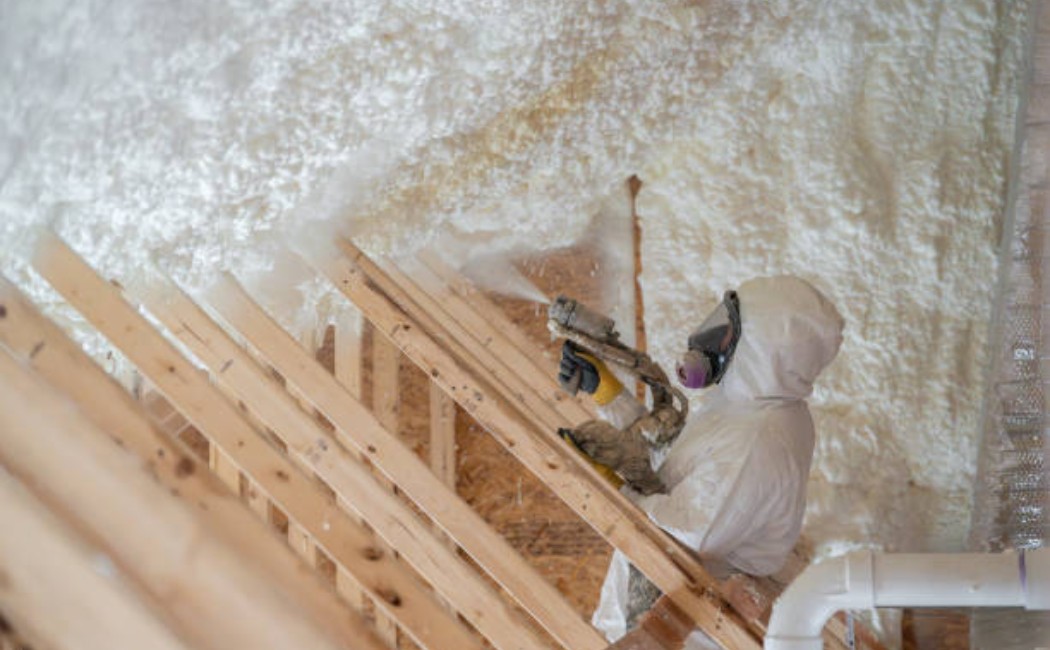
Spray Foam: Insulation Material that is high performing
Spray foam insulation is considered one of the most energy-efficient insulation materials. It swells when applied and fills cracks and gaps that other materials may miss.
Benefits:
- Good air sealing capabilities.
- Nanoparticle fabrication of low thermal resistance (R) and high thermal conductivity (k).
- Moisture resistance
- Long lifespan
Spray foam can be used to insulate walls and attics, particularly those susceptible to drafts or temperature changes.
Fibreglass Insulation: Affordable and Dependable
Fibreglass is also among the most commonly used insulation materials in homes because it is inexpensive and versatile.
Advantages:
- Easy installation
- Non-combustible
- Fits well on walls, attics, and floors.
- Budget-friendly option
Even though it does not offer the same air-sealing performance as spray foam, it can still significantly improve efficiency when installed properly.
Cellulose Sustainable Home Insulation
Cellulose is a preferred choice for homeowners seeking environmentally friendly insulation. It is a recycled paper product that promotes sustainable home insulation purposes.
Benefits:
- Environmentally responsible
- Good thermal performance
- Effective soundproofing
- Destined to be fire and pest-resistant.
Cellulose is especially effective in wall and attic cavities.
Sustainable Home Insulation with Eco-Friendly Insulation
With sustainability as a priority, many people want to find more environmentally friendly solutions that homeowners can use without affecting performance.
Recycled and Natural Insulation Materials
Other green insulations that are innovative are:
- Cotton (denim) insulation
- Wool insulation
- Recycled cellulose
- Cork insulation
These are safe, biodegradable, and renewable materials. They can promote better indoor environments and align with sustainable living objectives.
Eco-friendly Insulating Your Home to Conserve Energy in the Long Term
Sustainable insulation for your home will save you money in the long run and reduce your carbon footprint. Homes that are energy efficient use less power, which translates to:
- Lower heating and cooling expenses.
- Increased property value
- Lower environmental impact
Green homeowners can also receive energy rebates or tax incentives.
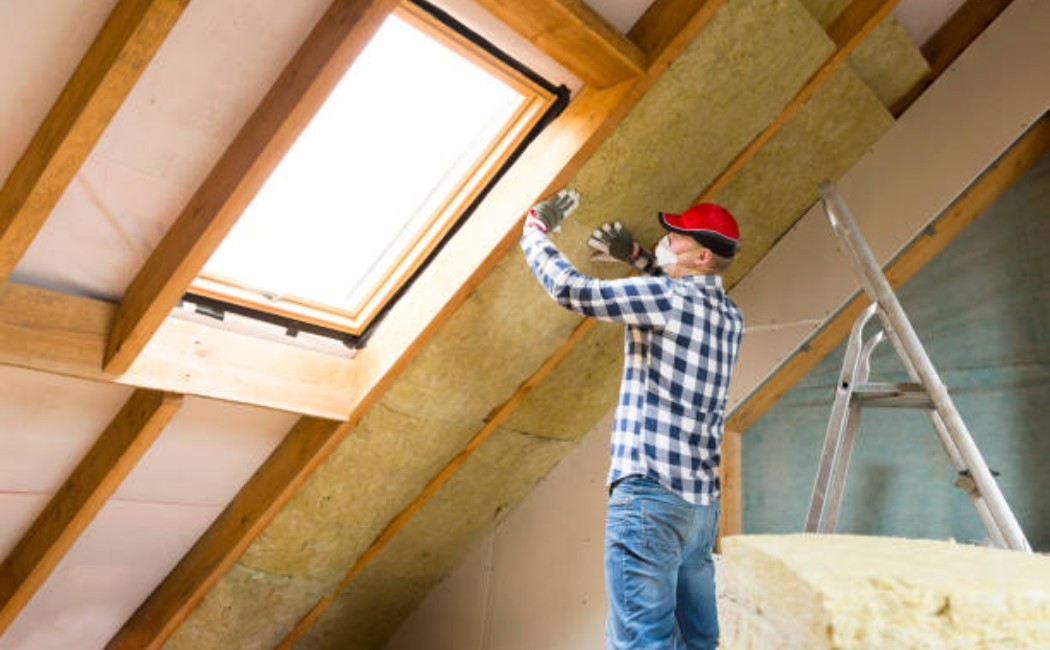
Attic and Wall Insulation: This is where Energy Efficiency Starts
Attic and wall insulation are the best places to start if you are serious about improving your home’s energy performance.
The reasons why Attic Insulation is necessary
Natural heat gain is a major cause of energy loss, and therefore, the attic is a major contributor to it. Attics that are not well insulated can account for up to a quarter of a home’s heat loss.
Insulation of attics can be improved to:
- Keep the temperatures stable.
- Minimize heating and cooling expenses.
- Prevent ice dams in winter
- Improve overall comfort
Attic upgrades are often spray foam, fiberglass batts, and blown-in cellulose.
Wall Insulation for maximum thermal control
The other critical area is the exterior walls. Lack of proper insulation allows conditioned air to escape, overworking your HVAC system.
Wall insulation provides:
- Improved indoor comfort
- Noise reduction
- Improved structural effectiveness.
- Improved energy efficiency throughout the year.
Attic and wall insulation provide comprehensive thermal insulation for the entire house.
Installation Guide Insulation: Proper Home Insulation
Even insulation materials will not work effectively without proper installation. And this is where professional Insulation Services come in.
Professional Guide on Insulation Installation
An average Insulation Installation Guide, which is the guide that is followed by professionals, consists of:
- Home energy assessment
- Locating areas of air leaks and weak points.
- Choosing an appropriate insulation material.
- Sealing gaps and cracks
- Installation of insulation in accordance with the building codes.
- Last-minute inspection and performance checking.
DIY vs Professional Installation
Although there are DIY choices, inappropriate installation will result in:
- Reduced efficiency
- Moisture problems
- Mold growth
- Energy waste
Professional installers ensure the R-values are correct, the coverage is adequate, and the results are long-lasting.
Why choose T&A Insulation
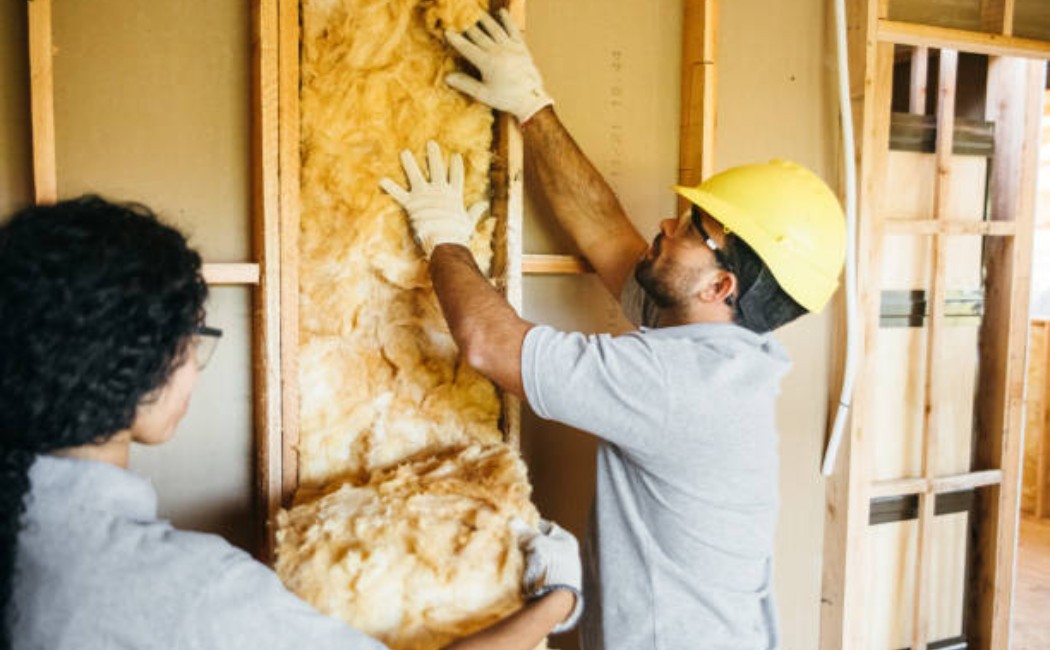
As far as reliable Insulation Services are concerned, there is no use employing an insulation company that you do not trust. Professional insulation experts know the science of energy efficiency and its correct usage. Professional insulation specialists examine the specific requirements of your home, advise on the most appropriate materials, and perform the installation to ensure optimal performance and longer life.
Conclusion
By choosing the most energy-efficient insulation, you can make one of the best investments in your home. Spray foam and fiberglass insulation materials have been replaced by sustainable cellulose and natural materials with high-performance insulation. They are a strong solution for comfort and cost savings.
With proper attic and wall insulation, effective home insulation, and environmentally friendly choices, one can save a lot of money on heating and cooling and improve indoor comfort.
At T&A Insulation, we offer the best insulation services to enhance energy efficiency and long-term performance. Our crew is precise when installing and providing a solution tailored to your home.
Need to insulate your home and begin saving on your power bills? Get in touch with T&A Insulation and receive a professional consultation now and find out the difference expert service can make!
FAQs
Which is the most energy-efficient form of insulation?
Spray foam insulation is considered the most energy-efficient because of its high R-value and ability to seal air better.
What is the effect of insulation in minimizing heating and cooling expenses?
Insulation reduces the conduction of heat, aiding in the maintenance of constant indoor temperatures.
Are greener insulating materials as efficient as the conventional materials?
Yes, there are many eco-friendly insulation materials, including cellulose and wool, which are very good thermal performers.
What is the frequency of changing the home insulation?
The majority of insulations have a lifespan of 15-30 years, whereas certain conditions, such as dampness, pest infestations, or settlement, might necessitate an earlier replacement.
Is it necessary to employ insulation workers?
Yes. Professional Insulation Services guarantees the appropriate selection of materials, the most suitable installation methods, and adherence to building norms, ensuring the work is as efficient and safe as possible.