
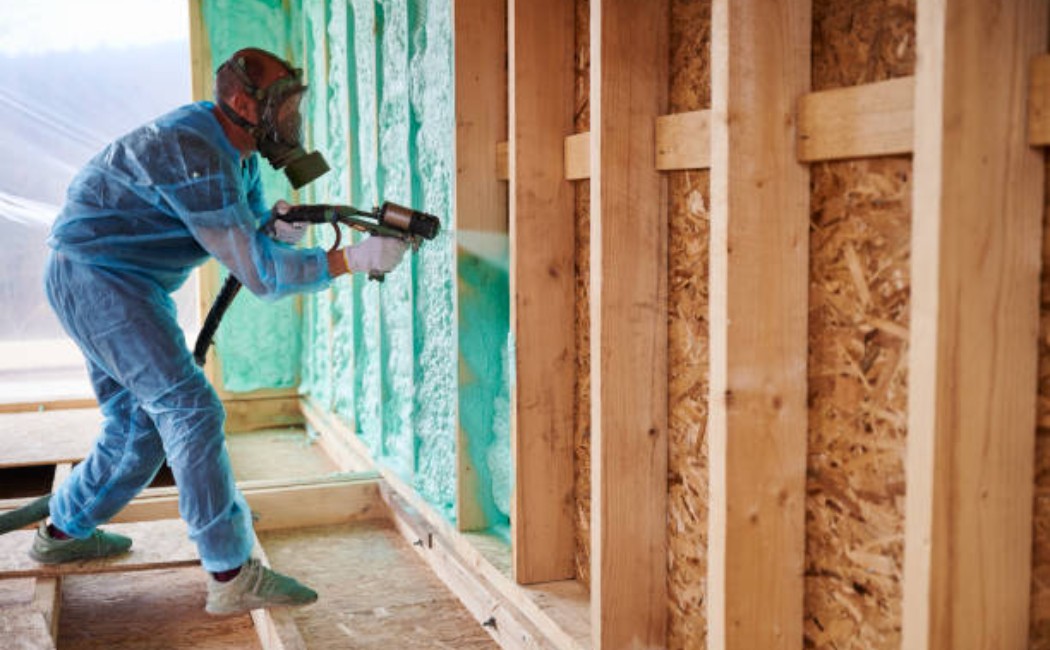
If making your home more comfortable, energy-efficient, and cost-saving is what needs to be done, then foam insulation is your first choice. Spray foam insulation keeps your home warmer in the winter and cooler in the summer. It is more effective than traditional insulation. For those who have never encountered spray foam insulation, this guide will help them understand what spray foam insulation is, as well as the available types, benefits, cost estimates, DIY options, and professional installation tips.

What is Spray Foam Insulation?
Spray foam insulation is a type of insulation that expands rapidly and fills gaps, cracks, and tight spots in the walls, attics, and other spaces that are easy to forget. Spray foam insulation is different from fiberglass or cellulose insulation because it seals air-tight. This is better for energy savings and cost-efficient because it lowers your bills.
But what are the types? There are two main types of spray foam insulation, and they are open-cell and closed-cell. Each type has its own properties. Learning which type is better for your home can save you money and make your home more comfortable.
Types of Spray Foam Insulation
Open Cell vs Closed Cell
- Open-cell insulation is lightweight, highly flexible, and less dense. It is the best choice for interior walls and places where soundproofing is particularly needed.
- Closed-cell insulation is denser and more rigid. It provides better structural support and moisture resistance and is ideal for basements, attics, and exterior walls.
Knowing the differences lets the homeowner see which insulation will work best for them, depending on price, the climate, and the level of energy efficiency required.
Where can we apply spray foam insulation?
Foam can be applied in many places, such as:
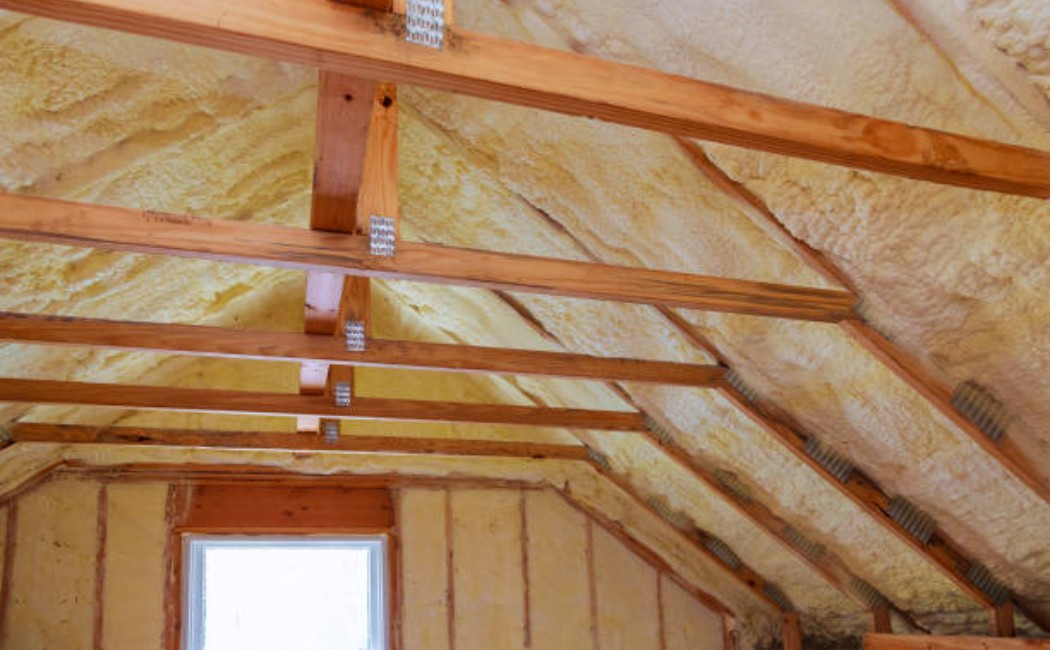
- Insulating walls and attics
- Basements and crawl spaces
- Sealing drafts around windows and doors
- As well as gaps and cavities, which are hard to reach
To achieve maximum efficiency and performance. Proper installation is needed.
Advantages of Spray Foam Insulation
There are numerous advantages of spray foam insulation compared to other types of insulation.
Key benefits include:
- Home Insulation Efficiency: Saves money on heating and air conditioning costs because it stops air leaks.
- Control of Moisture: Closed-cell foam stops water infiltration, decreasing the growth of mold.
- Noise Proofing: Open-cell foam decreases the transfer of noise between rooms.
- Longevity: Insulation will last a long time and become less dated over the years.
- Home Value: Outdated insulation repels buyers, while modern insulation attracts buyers and increases the home’s resale value.
Having this information on the benefits of spray foam insulation will allow homeowners to make the right decisions and provide themselves with long-term comfort and savings on energy.
Cost Estimation of Foam Insulation
How much does spray foam insulation cost? This is one of the most common questions homeowners have when it comes to insulation. Costs can vary based on foam type, project area size, and whether it’ll be a DIY project or if a professional will be doing the installation.
- Open-cell foam. It is typically less per square foot when it comes to pricing, but it does have a slightly lower R-value.
- Closed-cell foam. Has a higher initial cost, but does provide the most insulation and protection from moisture.
The cost for DIY spray foam insulation will certainly be lower, but when it comes to insulation application, safety, and building code compliance, hiring professional insulation services will certainly save time.
DIY Spray Foam Insulation vs Professional Installation
DIY Spray Foam Insulation
With variable levels of success, some homeowners have attempted to do their own spray foam insulation from home improvement store kits. While small project DIY spray foaming or spot insulation works, there are some downsides to a DIY approach, such as:
- Uneven, inconsistent, or unbalanced application
- Safety risks from exposure to insulation-forming chemicals
- Running into a difficulty in achieving the desired insulation R-value
Professional Insulation Services
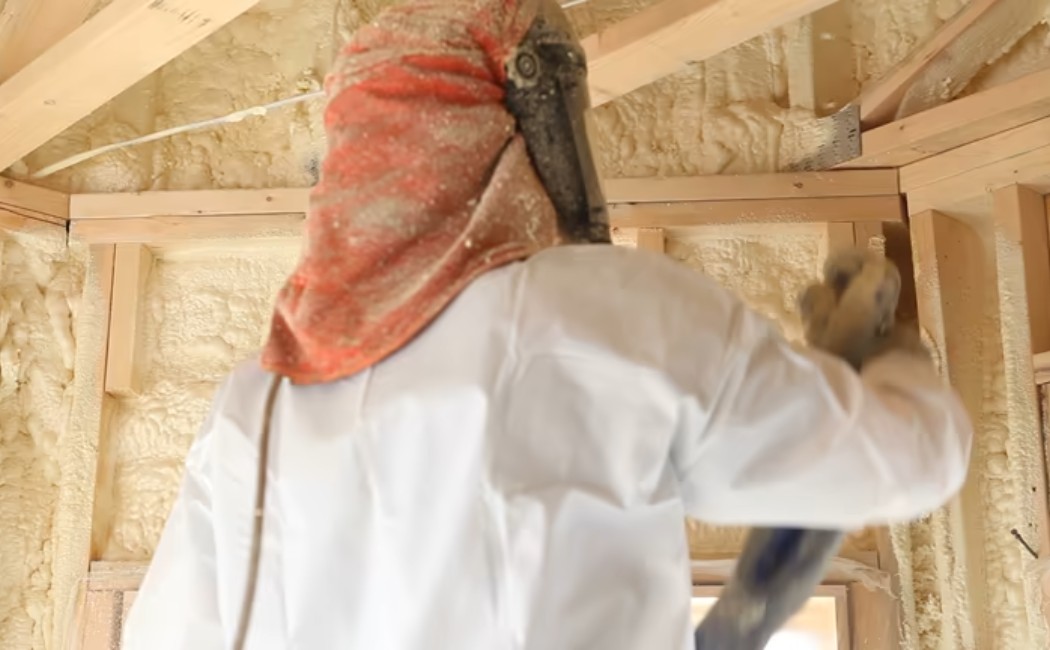
To get the best experience and minimize issues, hiring trained home insulation professionals ensures that:
- There is a proper, thorough assessment of your home’s insulation needs
- There is a proper, thorough installation to maximize performance and efficiency
- Safety and building regulations are followed
Professional installation should be the standard for most homeowners, given the investment the insulation will save in the long run, and the peace of mind it will also provide.
Tips to Ensure Your Spray Foam Insulation is Effective
Make sure to do the following to help maximize the effectiveness of the spray foam insulation:
- Fill in the Big Gaps: Before spraying the foam in, make sure to seal in any large openings or holes. This will help the foam stick better and create a more complete seal.
- Keep Inspecting: Make sure to have regular maintenance on the walls and the attic to help check for and repair any air gaps or structural damage. Good upkeep will help ensure the insulation lasts.
- Get the Correct Kind: Based on the area of application, climate zone, and budget, make sure to choose from either closed-cell or open-cell insulation.
- Set Up the Space: Make sure to remove anything present in the attics, crawlspaces, and walls where the insulation will be installed. Make sure these area surfaces are clean, dry, and have no obstructions.
Why Spray Foam Insulation For Your Home?
To homeowners looking for an energy-efficient and cozy home, spray foam insulation is the best insulation. Its ability to seal gaps, prevent air leaks, and provide a superior R-value makes it the best choice for:
- Walls and attics
- Houses in extreme weather
- Buildings with drafts or moisture troubles
Choosing spray foam boosts comfort and provides the long-lasting protection of your home’s structure while saving a great deal on utility bills.
T&A Insulation: Your Experts in Home Insulation
T&A Insulation is one of the most reliable home insulation services. It is due to the foam insulation specialists who evaluate the home, install the appropriate foam, and provide support to keep the house energy efficient and comfortable in any season.
Services include:
- Attic and wall insulation
- Open-cell and closed-cell spray foam
- Energy-efficient home insulation solutions
- Professional installation by home insulation specialists
With our experts, spray foam insulation is the bare minimum. A full-service team is devoted to improving the comfort, efficiency, and value of your home.
Final Remarks
Homeowners looking for comfort, energy savings, and savings down the road, foam spray insulation will change your life! For interior walls, use open-cell, and for anywhere with moisture, choose closed-cell. Correct installation gives you benefits. For small job projects, DIY is an option. For everything else, go with the professionals for safety, performance, and compliance. Don’t live with air leaks or recycling old or outdated insulation. Reach out to T&A Insulation to live with comfort year-round and pay less in energy costs. Get in touch for an instant free consultation!
FAQs:
What are the key differences between open-cell and closed-cell spray foam?
An open cell is light, flexible, and works best for noise blocking. Closed-cell is thicker, people do not water it, and it is more supportive.
Is it worth it to install spray foam insulation on my own?
It is not worth it. There are kits you can do yourself, but professionals do the best work and get more for their money.
Where in my home can I put spray foam insulation?
Spray foam can be put in the walls, attics, basements, or even around doors and windows.
What is the price range for spray foam insulation?
The prices depend on the type of foam, the size of the area to be insulated, and whether it is a DIY or pro job (with closed-cell insulation, it is typically the most expensive).
What’s the lifespan of spray foam insulation?
Spray foam insulation can last for a very long time (for decades) if you maintain it well and keep the energy efficiency and protection well.