
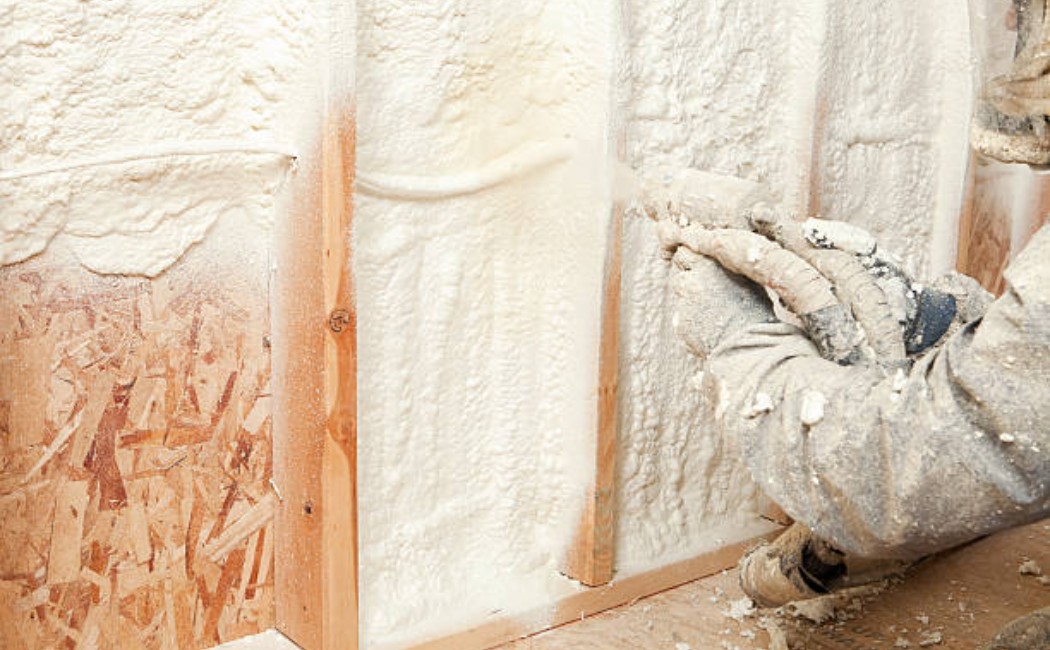
Foam insulation is an excellent method of making your home more energy efficient, lowering your heating and cooling bills, and building a comfortable home. However, it presents some security dangers when it is not managed. Most house owners believe that it is merely a question of comfort or financial benefits, but bad insulation may result in health risks, fire, or the destruction of their house.
However, whether you are going to do it or employ the services of professionals, you need to know home insulating safety. This guide will include useful recommendations, safety equipment, precautions, and best practices when installing spray foam insulation in a safe and efficient manner.
When People Know About the Dangers of Foam Insulation
Why Safety Is Important
Foam insulation bears chemicals that may irritate your skin, eyes, and lungs. Without the right precautions, exposure may lead to acute pain in the form of coughs, redness of the eyes, and rashes or long-term health complications.
Most frequent Hazards when installing
- Direct contact with the chemicals through skin and eye contact.
- Inhalation of smoke
- Fire risks in case it is applied in proximity to any heat source or power wiring.
Some guidelines follow spray foam application, which make sure that you do not risk those and enjoy the maximum insulation.
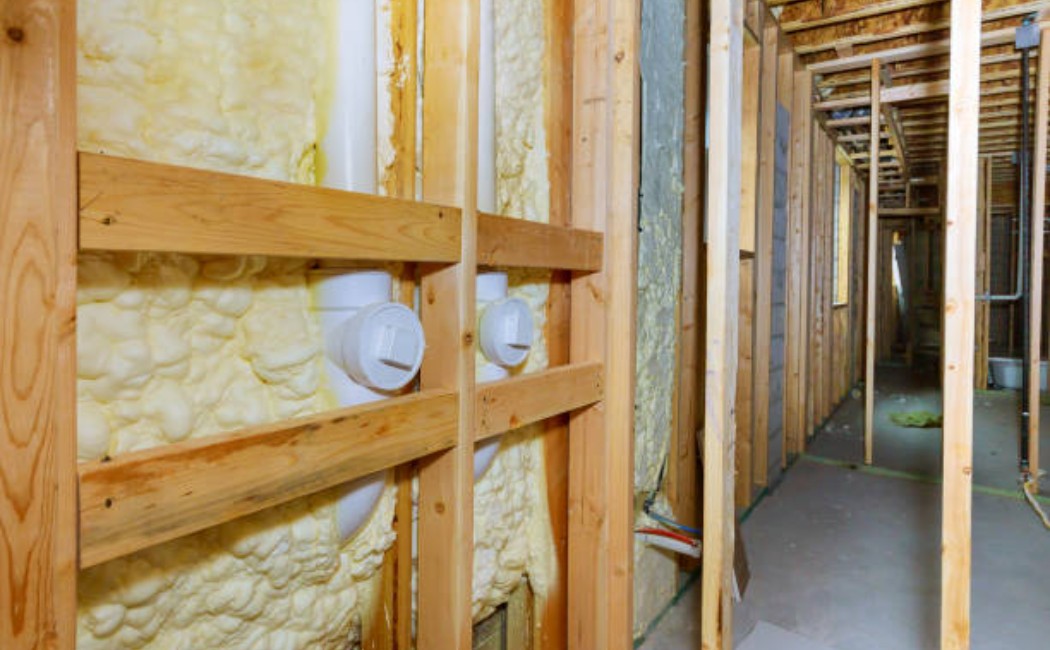
Necessary Personal Protection Equipment Against Insulating
Gear You Need
Proper protective gear, such as: should always be worn during insulating.
- Eye protection resembling the use of eyeglasses.
- Chemical burns prevention gloves.
- And respirators or masks in case of breathing in smoke.
- Covered garments to keep off the cold.
The appropriate equipment will reduce your chances of being irritated or hurt.
During Insulation, Proper Ventilation
The area should be well ventilated. Exposure to noxious fumes can be minimized by opening windows, using fans, or working in well-ventilated areas. Proper ventilation gives good insulating measures and makes the work environment comfortable.
Step-by-Step Safety Instructions to Install Spray Foam
Adhere to the instructions by the manufacturers
Each spray foam product is provided with guidelines on the curing time, thickness, and temperature. The first step in installing the spray foam insulation in a safe manner is to read and observe the following guidelines.
Avoiding Common Mistakes
Some common errors to avoid:
- Spraying in the area of open fires or heating sources.
- Use an excessive layer of cake at a time.
- Not using protective equipment.
Chemical exposures are avoided, and effective outcomes are guaranteed through following the avoidance of insulating hazards.
DIY Insulation Safety Tips
In case you decide to use a DIY method, you should adhere to the following DIY insulation safety guidelines:
- Work sectionally rather than extensively.
- Do not allow children and pets to use the workspace.
- Breaks should be taken to minimize the long coming into contact with smoke.
Any little mistake made during DIY installation is likely to result in burns, breathing difficulties, or wastage.
Techniques: Fire Safety and Resistance
Fire-Resistant Insulating Practices
The foam insulation is not always fire-resistant. Use products that have been proven to be fire safe and do not spray around electrical wiring or heat sources. By observing fire-resistant insulation, there is a high chance that the fire hazards in your house will be minimized.
Non-Harmful Insulation Methods
Install insulation uniformly and in designated spots. The spray should not be over-sprayed or sprayed on places that are not to be insulated. These are safe ways of insulation that enhance energy consumption as well as minimize health and safety risks.
Surveillance and After-sales Safety
Inspect the Area
When the foam has dried, look for any gaps, cracks, or excessive application. By fixing these problems, the insulation will operate as efficiently as possible and avoid problems in the long run.
Foam Insulation Precautions
- Has the area been ventilated for a few hours?
- Do not have contact until completely recovered.
- Disposal of unused foam should be done in accordance with safety measures.
Following these precautions will ensure that there is safety of home insulation for your family.
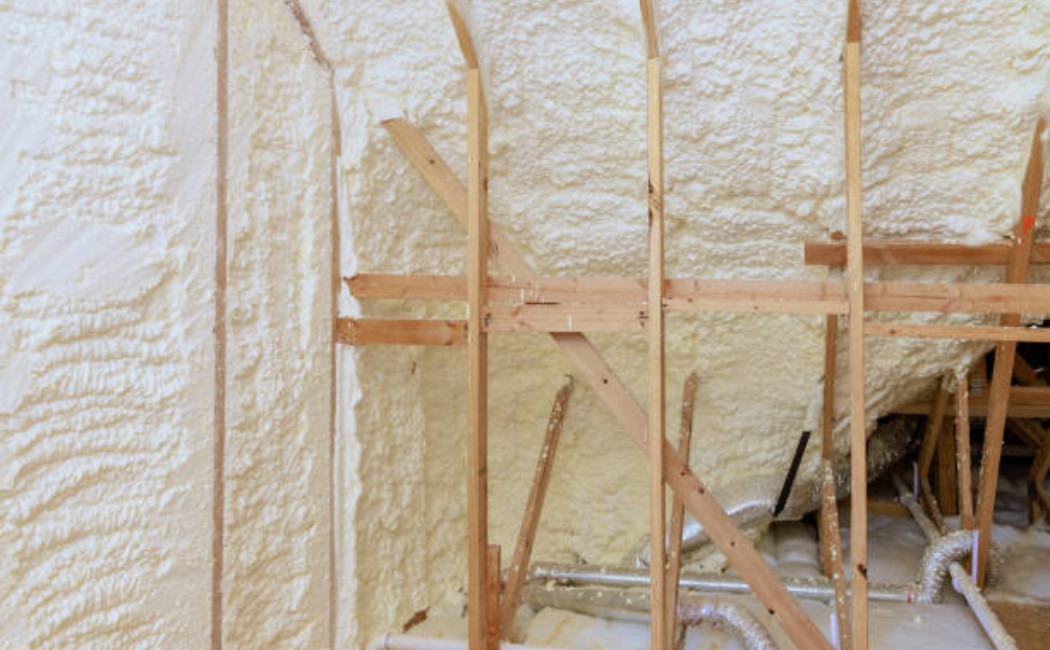
Top Spray Foam Insulation Installation Blunders
- Over-Spraying Foam: Excessive application of foam simultaneously may result in uneven drying out and development of structural stress.
- Ignoring Safety Gear: Wearing no gloves, glasses, or masks may cause skin burns, breathing problems, and other established health risks.
- Poor Ventilation: Being exposed to chemicals in closed areas, where there is no airflow, exposes an individual to the chemical, and they may develop headaches, dizziness, or lung irritation.
Why Professional Foam Insulation is Important
Although DIY projects are alluring, employing skilled workers ensures that there is safety, efficiency, and durability in the outcomes. Professional foam insulation is provided by experts who work very hard to reach areas and adhere to all the safety measures. They also provide foam insulating sealing services, and this provides a well-sealed home that is energy efficient. A reputable local foam insulating company will avoid expensive mistakes, save time, and help insulate your home in a safe manner.
Foam Insulating Services by T&A Insulation
T&A Insulation is a good prospect in the case of foam insulation.
We provide:
- Specialist spray foam insulation of buildings and commercial properties.
- Safety and installation advice from the professionals.
- Complete jobs of a reputed foam insulating company.
At our company, it will be the case of peace of mind, safe installation, and energy-efficient results. Home and family safety- leave insulation to the professionals.
Final Thoughts
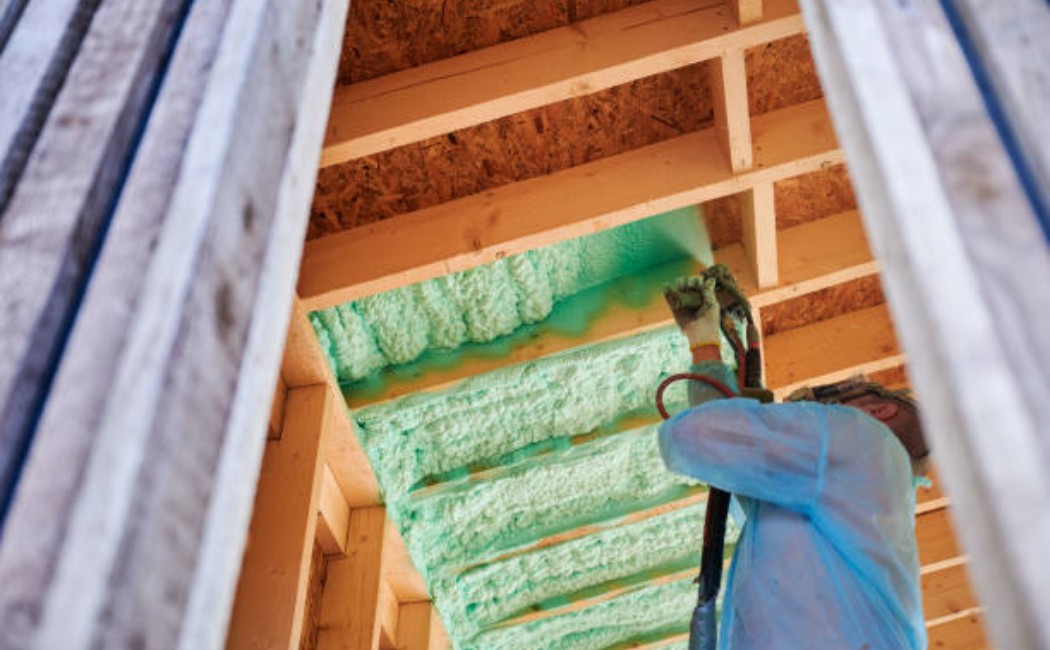
Spray foam insulation would help to change the comfort and the energy consumption of your home, yet it is important to ensure safety first. Accidents and increased harm may be avoided by using perfect protective equipment as well as by observing the application and appropriate ventilation. However, whether you are working on a DIY-type project or are paying professionals, being safety-conscious is important to save time, money, and stress. To ensure the outcomes and feeling satisfied, rely on such professionals as our company. Their trained staff also provides proper installation, extensive safety standards, and efficient operation of energy. It is not worth sacrificing the security of your home; get a professional service that you can trust, and call T&A Insulation.
FAQs
Can the laying of insulation be a safe thing to do?
Do-It-Yourself You can install it by yourself with adequate safeguarding equipment and security, and more complicated or bigger locations should be overseen by a professional.
What is the duration of time I need to ventilate my house once it is insulated?
Open windows and use fans for a minimum of 24 hours to ensure that the smoke is fully exhausted.
Does insulating pose any health problems if it is not applied properly?
Yes, faulty installation or absence of protective equipment may lead to skin irritation, eye complications, and respiratory complications. Avoid taking risks.
What is the life expectancy of insulation?
Insulation is energy efficient and will last 20 to 30 years with proper maintenance and installation.
To hire or not to hire a professional?
Small spaces that are treated with safety gear can be performed using DIY, but the professionals make sure that it is properly applied, fully covered, and that it is safe over time.