
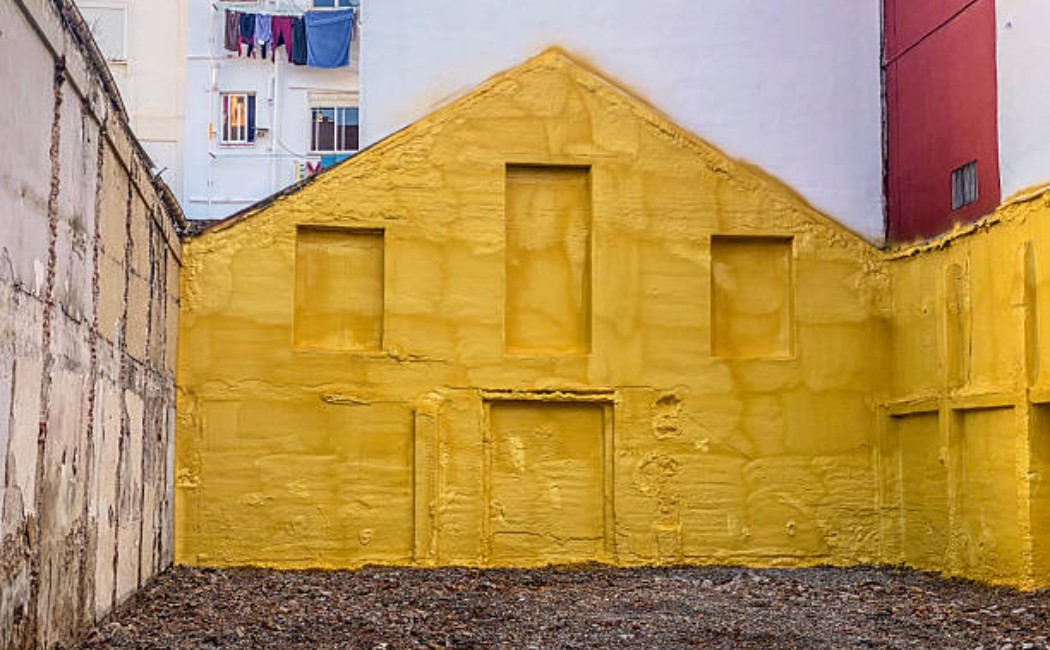
The old insulation can silently make your home less comfortable, your energy usage high, and your indoor air quality poor. Over time, the insulation material will settle, absorb water, or become covered with dust and insects. This is why the first and most essential step to improving your home’s energy performance is removing old insulation.
Regardless of whether you are considering spray foam or fiberglass, one of the most energy-efficient home additions you can make is replacing old insulation. This guide will discuss the advantages, prices, materials, and practicality to help you select the most appropriate insulation solution for your home.
Why Removing Old Insulation Is the Starting Point of the Energy-Efficient Home Upgrades
It is important that the old insulation be removed before installing the new one. This is one of the steps that should not be overlooked, as it may make your new system less effective and even allow moisture or mold to be trapped in your walls or attic.
Indications of Old Insulation Removal
There are a number of red flags telling them that it is high time to replace the insulation:
- Increasing heating and cooling costs.
- Inequalities in room temperatures.
- Drafts or cold spots in rooms
- Observable mould or moisture in the attic.
- Insulation infestations by pests.
- Compressed or deteriorated insulation.
When insulating material is older than 15-20 years, it may no longer be very efficient at regulating temperature, so it will be a Smart Investment to replace it.
Effects of broken Insulation in temperature control
Fading or deteriorated insulation becomes ineffective (it loses its R-value, or thermal resistance) and is unable to effectively control the building’s interior temperature.
Summer allows heat to enter your house more easily. During winter, the heat is lost more quickly. The result is excessive strain on the HVAC systems and utility bills.
By removing old insulation, you can ensure your new insulation operates at peak efficiency.
Prepare Your Home to Replace Your Home Insulation
The proper preparation of Old Insulation Removal, it involves:
- Checking to see if mold or water was damaged.
- Plugging of air holes prior to the installation of a new material.
- Cleaning debris and dust
- Maintaining adequate ventilation.
These measures will maximize the performance of the chosen insulation type.
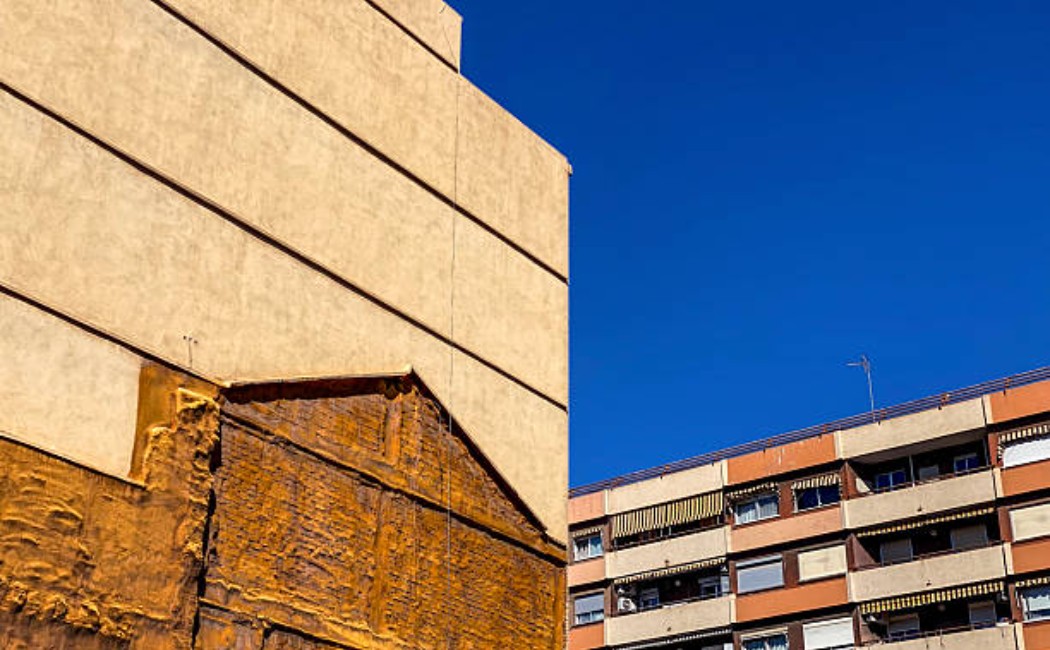
Insulation Inspections: Spray Foam Insulation Advantages of Attic and Basement Insulation.
Spray foam has been popular for its excellent sealing and durability.
Spray Foam Insulation Advantages for Energy Conservation
The expansion and filling of all cracks and gaps remains one of the largest advantages of using spray foam insulation. This forms a tight enclosure that largely prevents energy loss
Key advantages include:
- High R-value per inch
- Exceptional air sealing
- Moisture resistance
- Long lifespan
- Reduced noise transmission
Spray foam works well, especially in attics and crawl spaces where air leaks occur.
Spray Foam Insulation of Attics
Spray foam is a very good recommendation for attic insulation solutions, as it adheres to the roof decking and to hard-to-reach areas. It keeps the hot air out of the building in summer and the warm air inside during winter.
Closed-cell spray foam also provides support and is not affected by moisture, and is therefore suitable in humid conditions.
Spray Foam Insulation in the basement
Spray foam is a good choice for basement insulation, as it provides high protection against moisture and mold. Basements are likely to be wet, and spray foam is a vapor wall as well as a thermal insulator.
This two-fold feature enhances comfort while also protecting your home’s foundation.
Fiberglass Insulation Installation: The Home Insulation Replacement That is Cost-Effective
Fiberglass is still among the most popular insulation materials due to its low cost and ease of installation.
Fiberglass Insulation Installation Fundamentals
Fiberglass installations are generally rolled or blown in. It operates by trapping air between fibers, thereby slowing heat transfer.
Benefits include:
- Lower upfront cost
- Fire resistance
- Easy installation
- Widely available
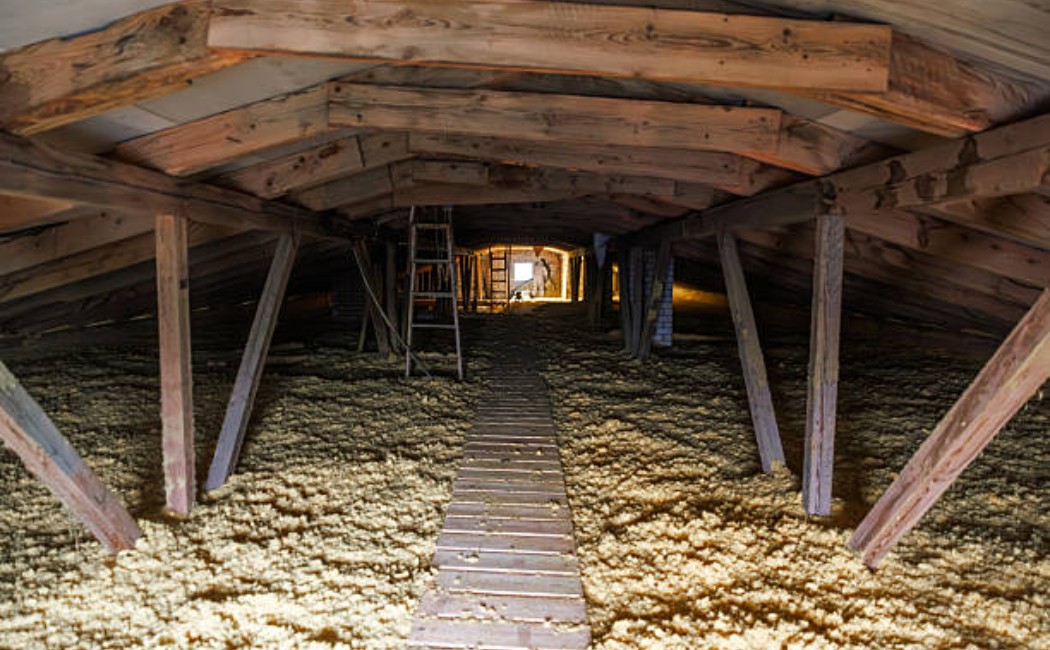
Blown-in fiberglass is particularly common for attic upgrades following Old Insulation Removal.
Fiberglass versus Spray Foam
Although fiberglass is cheap at first, spray foam can provide more energy savings in the long term. Here’s a quick comparison:
- Price: Fiberglass is initially less expensive.
- Air Sealing: It works better with the spray foam.
- Moisture Resistance Spray foam is better.
- Longevity: Spray foam has a higher longevity.
The most appropriate decision will be based on your financial capacity, house layout, and future energy objectives.
Environmentally Friendly Insulation Products and Green Building
A large number of homeowners are interested in eco-friendly insulation. Fiberglass is often made with recycled glass, and other spray foams are formulated with more environmentally friendly materials. Improving insulation will save energy, reduce your carbon footprint, and make your home greener.
Cost of Replacement Insulation and Savings in the Long Run
Knowing the cost of insulation replacement also helps homeowners make arrangements.
What affects the Price of Insulation Replacement?
Pricing depends on a number of factors:
- Size of the area
- Type of insulation selected
- Labor costs
- Condition of old insulation
- Old Insulation Removal extent needed.
Spray foam is usually more expensive per square foot than fiberglass, though it can be more economical in the long run for energy.
Payback on Investment by energy-efficient home upgrading
Insulating may save up to 20-30 money on heating and cooling expenses. In the long run, such savings usually offset the original installation cost. Moreover, better insulation increases the house’s value and improves year-round comfort.
Home Insulation Replacement Hints at a Budget Plan
To manage costs effectively:
- Get multiple estimates
- Book ahead of time during slow seasons.
It should consider partial upgrades in case the budget is constrained.
visualize local rebates or energy grants.
The value of an insulation investment is maximized by careful planning.
DIY and Professional Insulation: Which One is the Safer Choice?
Homeowners are usually at a crossroads when deciding between DIY and professional insulation services.
The dangers of DIY Old Insulation Removal
De-insulating can expose you to:
- Mold spores
- Rodent droppings
- Dust and allergens
- Improper disposal issues
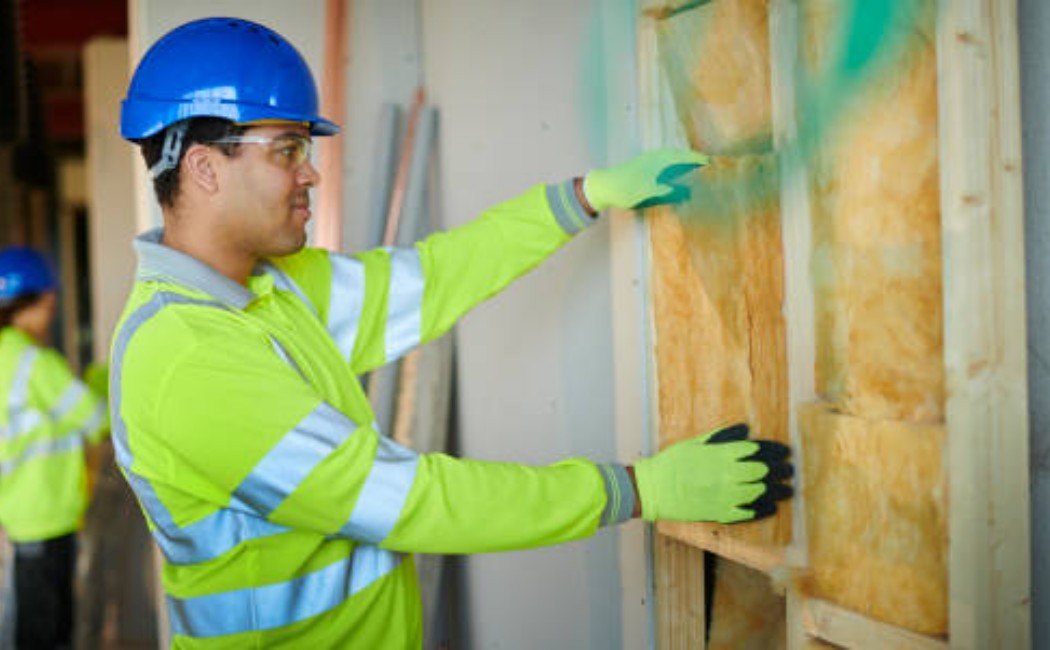
The DIY removal process can affect health and safety without adequate protective gear and equipment.
Advantages of Professional Insulation of Temperature Control
Professional contractors:
- Make sure you have removed all the Old Insulation.
- Identify hidden damage
- Seal air leaks correctly
- Install insulation to code
This will ensure maximum insulation to control temperature and maintain durability.
When Professional Installation is Recommended?
Professional services are particularly significant when:
- There is mold contamination
- The insulation consists of dangerous substances.
- The project encompasses a huge attic or basement
- Installation of spray foam is needed.
Specialized installation is provided to ensure it is correct and to make the most of it.
Why Choose Professional Installation Services?
For old Insulation removal, hiring qualified specialists makes all the difference. You might require full insulation replacement, decide to have new attic insulation removal, or simply need a hand from proven local experts. Whatever the case may be, professional work is always safe, efficient, and thorough. By hiring certified experts in professional insulation removal, you can upgrade your home without hesitation and increase comfort and energy efficiency.
Conclusion
One of the most clever investments you can make in your house is replacing outdated insulation. To begin with, sound Old Insulation Removal, the homeowners can upgrade to modern spray foam or fiberglass insulation that is more comfortable, more energy-efficient, and adds value to the property.
Regardless of your choice of spray foam or fiberglass insulation, because of its superiority in sealing air or affordability, upgrading insulation improves performance throughout the year and indoor air quality.
We are a specialist group of removers and installers with a long track record of serving our customers in T&A Insulation. Do not waste your energy and money on old-fashioned insulation.
Contact T&A Insulation and receive a free consultation to make your home more comfortable and efficient!
FAQs
What is the frequency of replacing insulation?
Insulation has a life span of 15-30 years (depending on the material). Nevertheless, moisture, pests, or damage might necessitate an earlier removal of the Old Insulation.
Is fiberglass superior to spray foam?
Spray foam offers superior air sealing and high R-values, whereas fiberglass is initially cheaper. The most appropriate would rely on your house and finances.
What is the price of insulation replacement?
Insulation replacement costs depend on the size of the home, the materials, and labour. Spray foam is typically more expensive than fiberglass.
Is it possible to remove the old insulation myself?
One can remove it himself/herself, but it is dangerous. The handling and disposal of such services are safe and properly installed with the help of professional services.
Does new insulation save me money on energy bills?
Yes. Effective temperature control through proper insulation can save up to 30% on heating and cooling expenses, thus a good long term investment.
Which parts of the house would most benefit from insulation replacement?
Modern attic and basement insulation systems significantly improve the overall efficiency of these spaces.