
One of the best investments you can make for lowering energy expenses and maintaining year-round comfort in your house is proper insulation. By acting as a thermal barrier, insulation keeps your home cool in the summer and warm in the winter. Investing in professional insulation services can significantly increase the durability, comfort, and efficiency of your home, whether you are building a new one or remodeling an existing one.
The advantages of appropriate insulation, different kinds of insulation, and useful advice for increasing the energy efficiency of your house will all be covered in this blog. We will also go over how insulation lowers energy costs and why working with professionals like T&A Insulation guarantees comfort and long-term savings.
The Significance of Proper Insulation
The Basis for an Energy-Saving House
The insulation in your house is essential for regulating the temperature inside. Inadequate insulation makes it easy for heated or cooled air to escape, which makes your HVAC system work harder and raises your energy costs. The annual savings on heating and cooling expenses of a well-insulated home might reach 20–40%.
Comfort Levels and Energy Loss
Uneven temperatures, chilly drafts, or spaces that never seem to cool down are frequently the result of poor insulation. You may maintain a constant indoor climate throughout the year and increase comfort by switching to energy-efficient house insulation.
The Advantages of Proper Insulation
Beyond just conserving energy, proper insulation has several other benefits. Below, we will examine some of the main advantages of adequate insulation.
1. Reduced Energy Costs
Insulation services minimize heat transmission, which is one of the most important ways it lowers energy costs. Your HVAC system will not have to work as hard when your house retains heat better in the winter and stays cooler in the summer. Month after month, these results in constant savings.
2. Improved Comfort Indoors
Insulation helps keep the temperature in your house constant, so you will not have cold bedrooms or hot living rooms. It produces a cozy atmosphere during each season.
3. Reduction of Noise
Insulation serves as a sound barrier in addition to controlling temperature. Your house will be quieter and more peaceful if your walls and roof are properly insulated to keep out outside noise.
4. Sustainable and Eco-Friendly
Your carbon footprint can be decreased by selecting sustainable insulation options. Eco-friendly insulation materials that improve energy efficiency and help the environment include cellulose, wool, and recycled fiberglass.
Types of Home Insulation
Certain insulation materials are needed in different parts of your house. The most popular kinds of home insulation are as follows:
- Fiberglass: One of the most used materials for insulation is fiberglass batts. It has good thermal resistance, is inexpensive, and is simple to install. It is perfect for crawl spaces, walls, and attics.
- Spray Foam: After application, spray foam expands to fill in tiny cracks and crevices. For homeowners looking for optimal energy efficiency, it offers excellent air sealing.
- Cellulose: Cellulose is a fire-resistant and environmentally friendly substance that is made from recycled paper goods. It is a great option for environmentally friendly insulation.
- Rigid Foam Board: In order to increase structural strength and reduce heat loss, rigid foam boards are used for roofs, walls, and foundations. They are popular for improving the energy efficiency of homes.
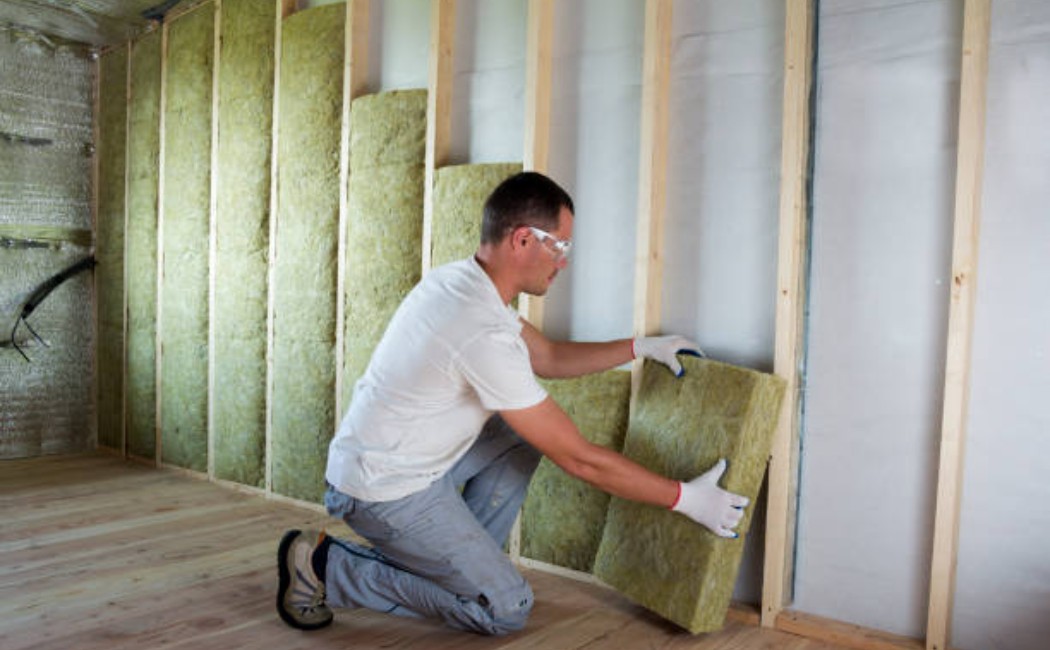
- Mineral wool: It is an insulating substance composed of a blend of natural minerals, similar to rock wool or slag wool. Slag, a byproduct of molten metal, may also be included in some varieties. This composition makes it more fire-resistant.
- Denim Insulation: Usually, recycled denim cotton and old jeans are used to make denim insulation. Utilizing recycled materials reduces eco-waste; however, it is an expensive solution.
- Natural Fibers: Eco-friendly home insulation materials include natural fibers such as hemp, sheep’s wool, cotton, and straw. To improve their resistance to mold, fire, and insect infestations, these materials usually require treatment.
Energy-Saving Tips for Attic Insulation Services
One of the main places in a house where energy is lost is the attic. To increase the efficiency of your house, adhere to these attic insulation tips:
- Seal Air Leaks: Seal any openings or crevices surrounding pipes and vents before insulating.
- Use the Correct R-Value: Depending on your climate zone, select insulation with the appropriate R-value.
- Verify the ventilation: Mold development and moisture accumulation are avoided in an attic with adequate ventilation.
- Add Additional Layers: For improved thermal performance, if the current insulation is thin, think about adding a layer.
By using these techniques, professional insulation services can drastically cut down on heat loss and your heating expenses.
Benefits of Insulating Walls and Roofs
Insulation for Walls
Your indoor comfort is protected from the effects of outdoor temperatures by properly insulated walls. Additionally, it lessens condensation and enhances soundproofing, protecting walls from mold and moisture.
Insulation for Roofs
Investing in roof insulation guarantees energy conservation and long-term savings because the majority of heat escapes through the roof. It is one of the greatest additions to a house that uses less energy when combined with attic insulation.
How Insulation Reduces The Electricity Costs?
- Diminished Heat Transmission: Heat transfer between the interior and exterior of your house is slowed down by insulation. It keeps warm air inside in the winter and keeps heat out in the summer.
- Increasing the Efficiency of HVAC: Insulation eases the burden on heating and cooling systems by retaining conditioned air where it belongs. This helps maintain consistent inside temperatures and prolongs the life of your HVAC system.
- Practical Savings: The U.S. The Department of Energy states that by insulating air leaks and installing adequate insulation, homeowners can reduce their overall energy expenses by as much as 15%. Those savings pile up over time, especially when combined with other home energy efficiency upgrades.
The Best Materials for Insulation to Save Energy
The performance of different insulating materials varies. The following are a few of the best insulation materials that save energy:
- Fiberglass batts are affordable and simple to install.
- Spray Foam: Great for sealing gaps and confined areas, this foam seals air well.
- Cellulose: High R-value, recycled, and environmentally beneficial.
- Mineral Wool: Excellent for fire resistance and soundproofing.
- Rigid Foam: Thin layers of rigid foam boards offer excellent heat resistance.
Every one of these materials has special benefits. Finding the greatest match for your unique needs and budget is made easier by speaking with home insulation specialists.
Smart Homes Energy Efficiency Upgrades
The advantages are increased when insulation improvements are combined with other energy-saving measures for the home.
- Installing Energy-efficient Windows and Doors,
- Insulating Air Leaks And Ducts,
- Switching to a Programmable Thermostat,
- Utilizing LED lighting and Energy Star appliances
When combined, these modifications can greatly increase the cost-effectiveness and sustainability of your house.
Why Pick Insulation from T&A?
T&A Insulation is a reputable brand when it comes to dependable, superior insulation services. Our licensed house insulation specialists use modern products and methods to produce excellent results.
We specialize in:
- Installation of Attic, Wall, And Roof Insulation
- Energy-Efficient Home Insulation Solutions
- Sustainable and environmentally friendly materials
In addition to installing insulation, we support homeowners in creating more intelligent, eco-friendly, and cozy environments. Our house insulation experts guarantee your project is effective, secure, and reasonably priced, offering free estimates and expert advice.
Final Thoughts
More than simply comfort, proper insulation is a wise long-term investment in your house. Insulation improves the performance of your house, lowering energy costs and boosting sustainability and property value overall. For durable, effective, and long-lasting results, rely on experts like T&A Insulation, whether you are remodeling your roof, walls, or attic.
Contact us right now, your favorite house insulation business that provides quality and care in every job, if you are prepared to experience reduced energy expenses and a more pleasant living space.
Frequently Asked Questions:
Q1:How can insulation increase the energy efficiency of a home?
Insulation reduces the need for heating and cooling by slowing down heat transmission. This reduces energy consumption and maintains year-round comfort in your house.
Q2: What parts of my house require the greatest insulation?
The areas that lose the most heat, such as crawl spaces, basements, walls, and attics, should be insulated first.
Q3: How frequently should insulation in a home be replaced?
Insulation can endure for 20 to 30 years, but if it is crushed, wet, or damaged, it may need to be replaced.
Q4: What kind of insulation is best for my house?
It depends on the climate and architecture of your house. Cellulose, fiberglass, and spray foam are common choices for insulating homes with little energy consumption.
Q5: Is it true that insulation lowers heating expenses?
Yes! Reduced heating expenses and proper insulation work together to save up to 40% on yearly energy costs.