
Insulation is an important aspect of the home-building process. Insulation helps keep homes comfortable and energy efficient. It helps control the temperature inside the home and reduces energy waste, along with the cost of heating and cooling the house. When the homeowners choose an insulation, they tend to compare fiberglass because they are both very commonly used insulations. The only difference is that they work in different ways and will serve different needs.
In this blog, we will help you understand the difference and help you understand which insulation will suit your needs.
What is Batt Fiberglass Insulation?
1. Basic Overview
Fiberglass batt insulation consists of very fine glass fibers that are made into a soft panel. These panels are made to fit in between the solid walls, the ceilings, and the floor beams. Fiberglass Batts Insulation is one of the common insulation types used in the construction of homes.
2. How It Works
Fiberglass Batts slow the process of heat transfer by trapping air trapped inside the glass fibers. The air that is trapped will help the insulation in keeping the warm air inside, and the glass fibers will block heat. This helps during the summer to block out heat, and helps during the winter to keep warm air inside.
3. Common Application
- Inside and outside of walls
- Ceilings and attics
- Yes, the floors of garages and basements
The Facts About Spray Foam Insulation
What Is Spray Foam?
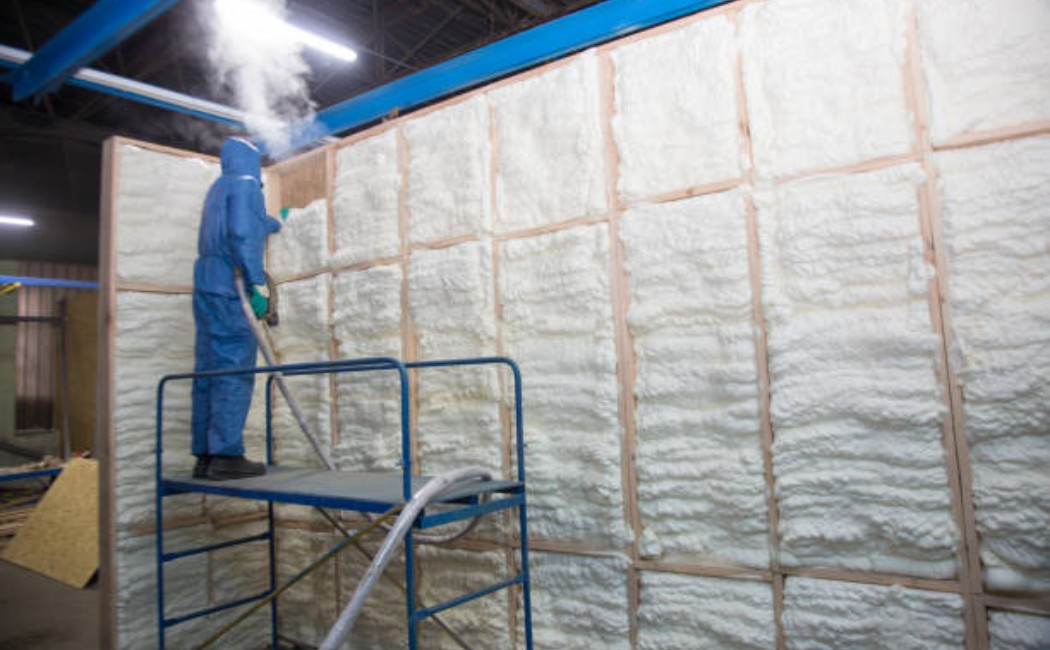
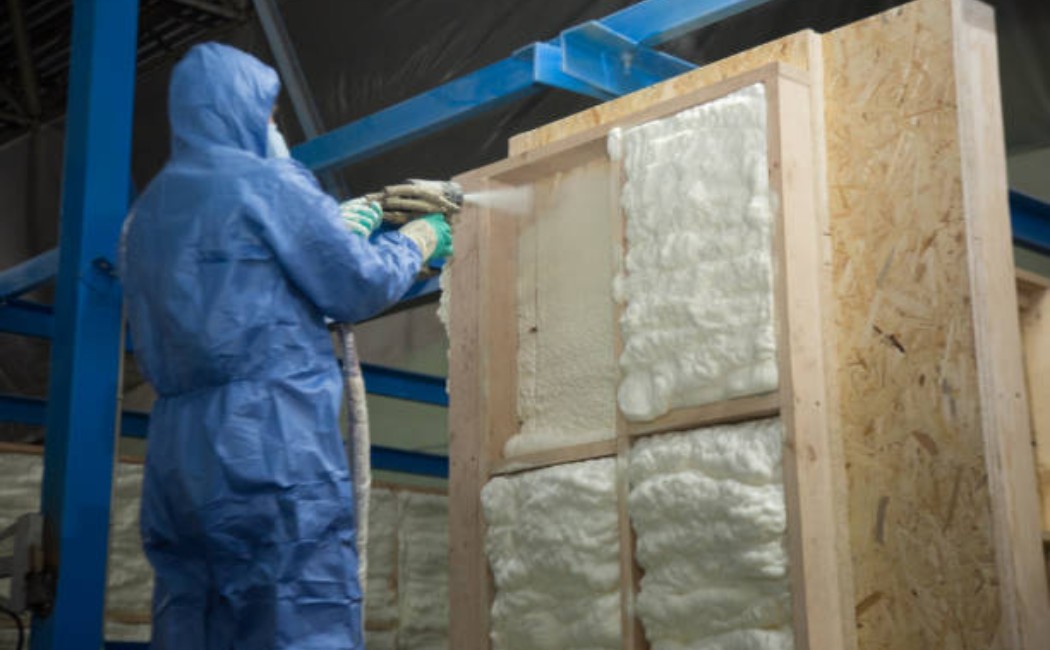
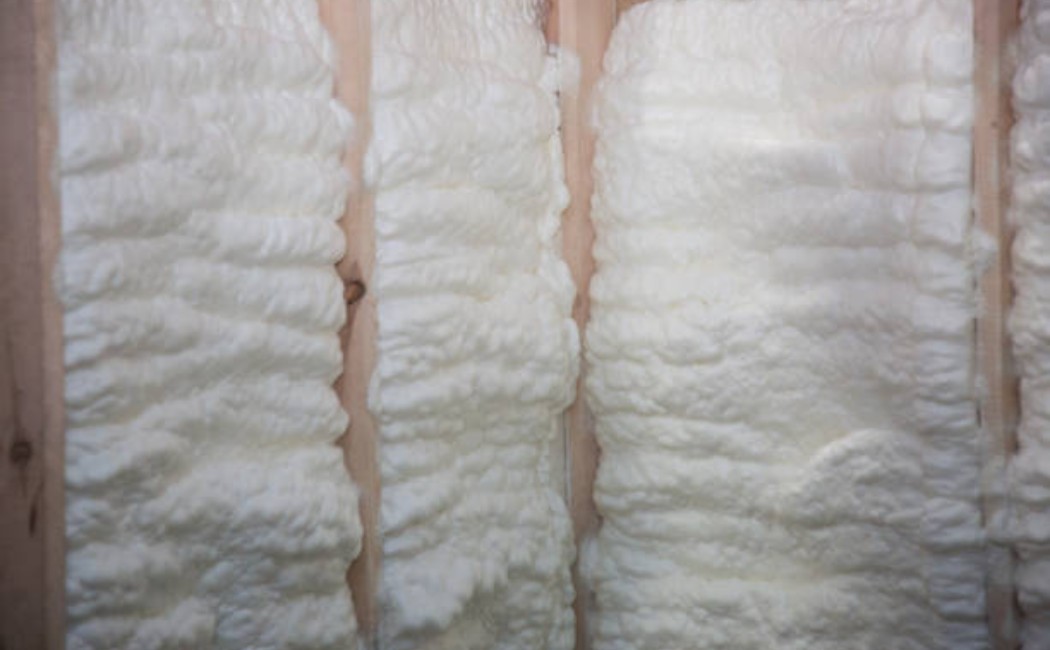
The process of spray foam insulation starts with foam in liquid form, which is sprayed and fills gaps. Once it is sprayed, it will expand and harden.
The Two Types of Spray Foam
- Open cell spray foam: Light and flexible.
- Closed spray foam: Heavy, strong, and moisture resistant.
Where Spray Foam Is Most Useful
Spray foam is perfect for places that have spaces that can leak air, like attics, crawl spaces, and walls with gaps.
Fiberglass vs Spray Foam Insulation: Key Differences
- How It Is Set Up: Fiberglass batts are a type of insulation that is cut and put into holes. Spray foam uses special equipment and needs a professional to set it up.
- Sealing Gaps: Of the two, spray foam is more effective. Fiberglass needs to be put in and adjusted. If not done the right way, there can be gaps.
- Use Flexibility: Fiberglass is made to be used in spaced-out spots. Spray foam can be used anywhere. It is perfect for a space with curves and uneven areas.
Factors to Keep in Mind Before Installation
When it comes to installing insulation, your climate, the structure of your building, and energy goals should be taken into consideration. Even if you have top-of-the-line insulation, it’s going to fail if it’s not installed properly, so having a good installation process is just as critical as having good materials.
Comparison of Spray Foam Insulation in Terms of Factors to Performance
Energy Efficiency
Because of its air-sealing capabilities, spray foam is usually better in insulation performance when compared to fiberglass batt insulation; however, fiberglass batt insulation can also be energy efficient if it’s installed correctly.
Moisture Control
Closed-cell spray foam prevents moisture, while fiberglass batt insulation does nothing about moisture.
Durability
Spray foam stays in shape for decades, while fiberglass Batts Insulation may settle and compress over time.
The Cost Of Insulation
Upfront Costs
Spray foam insulation costs more, but fiberglass Batts Insulation is more affordable. This is why it is more popular among homeowners who are on a tight budget.
Long-Term Value
Spray foam is cost-effective in the long run, but it does cost more in the beginning.
Maintenance Costs
Spray foam requires more maintenance compared to fiberglass, which may, in the long run, need to be replaced.
Best Insulation for Homes: Making the Right Choice
When Fibreglass Is a Good Option
- Cost-effective insulation projects
- Houses with typical wall framing
- New builds or remodels
When Spray Foam Is a Better Fit
- Houses with excessive energy loss
- Zones with moisture issues
- Long-term energy savings
Both options can perform well depending on how and where they are used. Fiberglass Batts Insulation remains a reliable choice for many homeowners.
Explaining Different Types of Insulation That Save Energy
How Insulation Saves Energy
Heating and cooling systems are able to work more efficiently because the heat flow is slowed by insulation.
Advantages for the Environment
Using less energy causes less environmental damage, as carbon emissions are decreased.
Making a Choice
Different types of insulation will be more or less suitable depending on the local weather, the layout of the building, and the available funds.
Foam Insulation Spray: The Good and The Bad
Pros
- Sturdy air barrier
- Value for insulation is high
- Longevity
Cons
- Professional tools required
- The installation price is high
Overall Assessment
Spray foam is an option that is high-performance but may not be required for every household.
Commercial Insulation Applications
Fibreglass In Commercial Buildings
Several commercial spaces and offices utilize fiberglass batt insulation because of its low cost and sound-absorbent properties, as well as its fire resistance.
Spray Foam for Large Structures
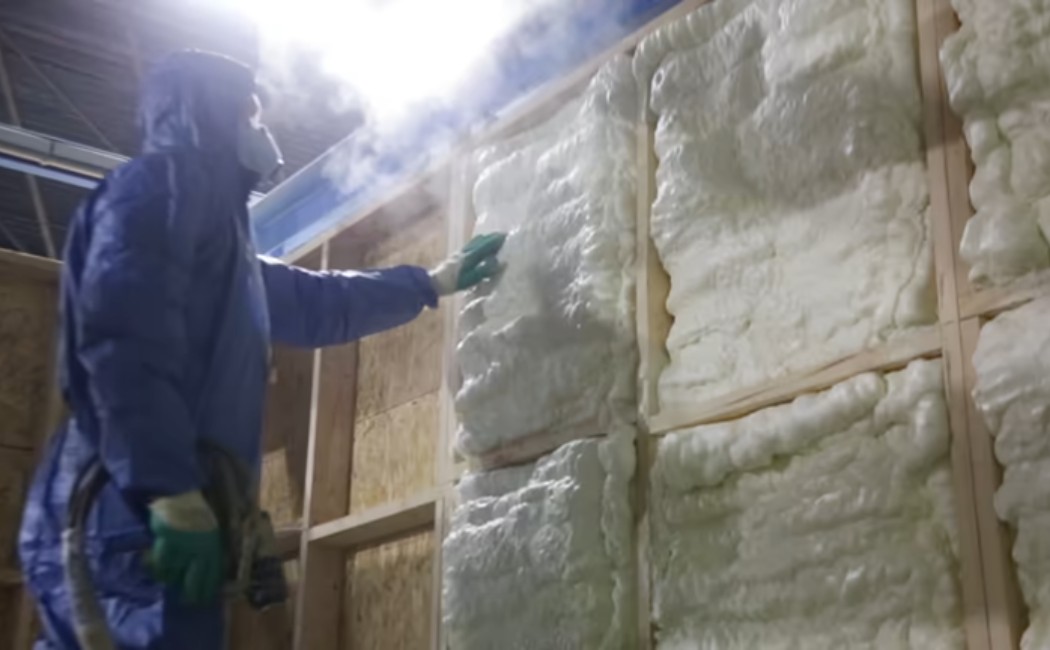
Spray foam is commonly used in industrial facilities, metal structures, and warehouses for improved air sealing.
Why Work with T&A Insulation?
T&A Insulation has gained the trust of several clients by delivering quality insulation services for both commercial and residential buildings. We analyze and help the customers with the selection of the appropriate kind of insulation material based on performance, type of structure, and, most importantly, budget.
Professional insulation, energy efficiency, and long-lasting comfort are some of our aims. Whether Fiberglass Batts Insulation, spray foam systems, or both, we have them covered. We have the most skilled technicians and offer the best customer service.
Conclusion Remarks
Choosing fiberglass batts or spray foam depends on the budget and needs of the homeowner. Fiberglass batts can be considered the most budget-friendly because they are so widely used for insulation. Options like spray foam cost more upfront but offer better sealing and long-term insulation. Each insulation type comes with pros and cons. If a homeowner spends a little time weighing the options, they can really help make a comfort improvement, lower energy bills, and increase the value of the property. If you want to help your comfort and energy efficiency, contact T&A Insulation is ready to offer quality solutions to you.
Frequently Asked Questions
Which insulation option is more affordable?
Spray foam is more costly than fiberglass batts.
Is fiberglass insulation safe for homes?
Fiberglass insulation is safe for a home as long as it is installed and covered properly..
Does spray foam insulation last longer?
Spray foam insulation can last 30 years or more without any loss in performance, so yes.
Can fiberglass help reduce noise?
Yes, sound absorption is one of the qualities of fiberglass batts.
Which insulation is best for energy savings?
Due to its superior air sealing, spray foam generally offers more energy savings.