
Selecting the ideal insulation for your property is an important step that directly affects energy efficiency, comfort, and most importantly, the savings over the years to come. Insulation types for homes and commercial spaces are plenty. It is your right to feel overwhelmed. This guide will provide you with the most essential fundamentals, including insulation choices that save energy, types of insulation for homes and commercial spaces, and final tips from the pros.
Especially for new constructions and remodels, turning renovations or the running of a commercial property, insulation right is the singular most important factor in determining energy efficiency for the entire space.
Understanding Insulation and Why It Matters
Insulation is essential when considering energy bills, comfort, and temperature. Sound insulation minimizes heat loss in winter and heat gain in summer.
The Importance of Good Insulation in Homes and Buildings
- Energy Savings: Less work for the heating and cooling systems means lower energy bills.
- Comfort: More stable and comfortable indoor temperatures.
- Sustainability: Good insulation means a more sustainable way of living.
- Property Protection: Prevents the property from Damp. Damp often causes detailed destruction of a property’s structure. This is the leading cause of mold and mildew and is often not seen until later.
Consider whether your needs are for residential insulation types or commercial insulation solutions. Each serves different needs.
Most common types of insulation
Knowing insulation options is a great place to start when choosing the best insulation material for the job.
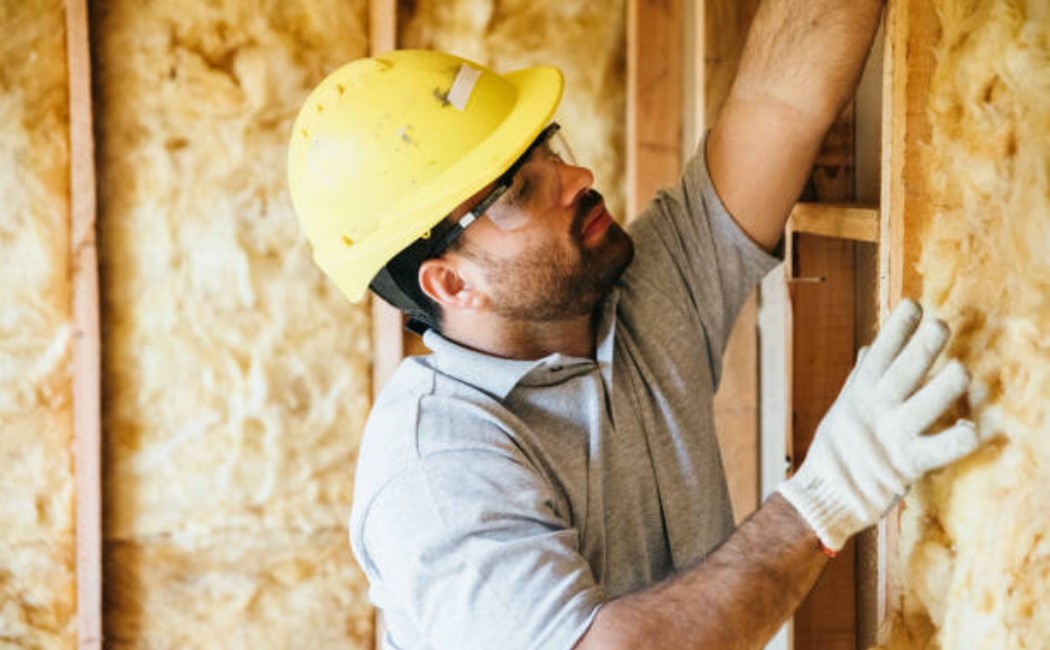
1. Fiberglass insulation
This material is frequently used in commercial and residential buildings. Its low price point, fire-resistant ability, and easy installation make fiberglass insulation a great choice. It is ideal for the attics, walls, and floors of your building and also helps to lower energy loss.
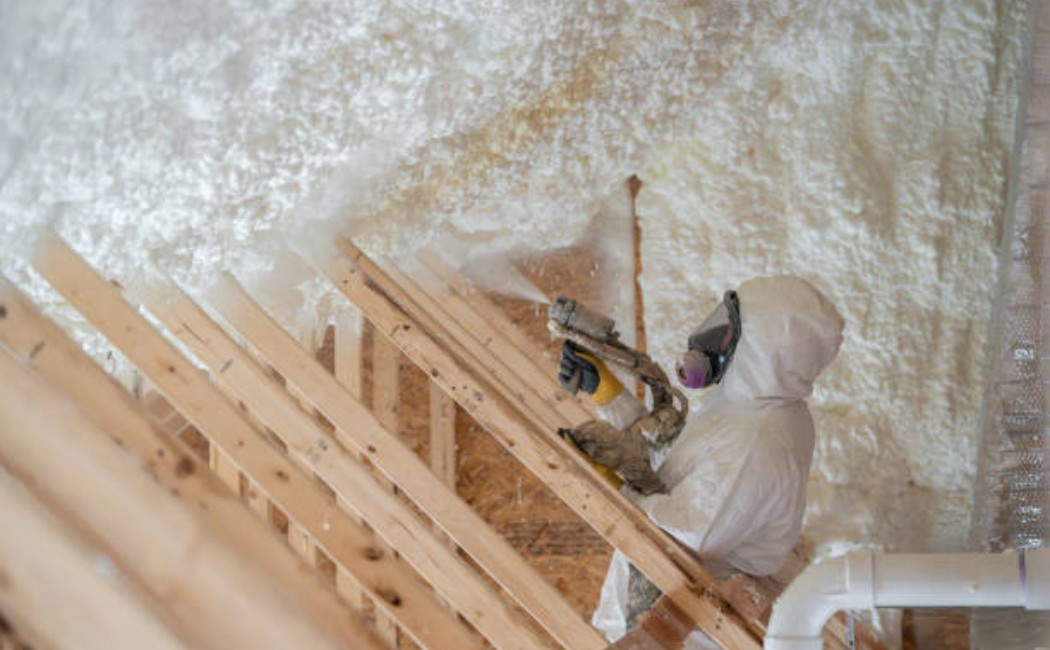
2. Spray foam insulation
Spray foam insulation expands to fill in all of the gaps and crevices of the building. Because of this, it works excellently in irregular and hard-to-reach places. Spray foam insulation also helps to boost your building’s energy efficiency!
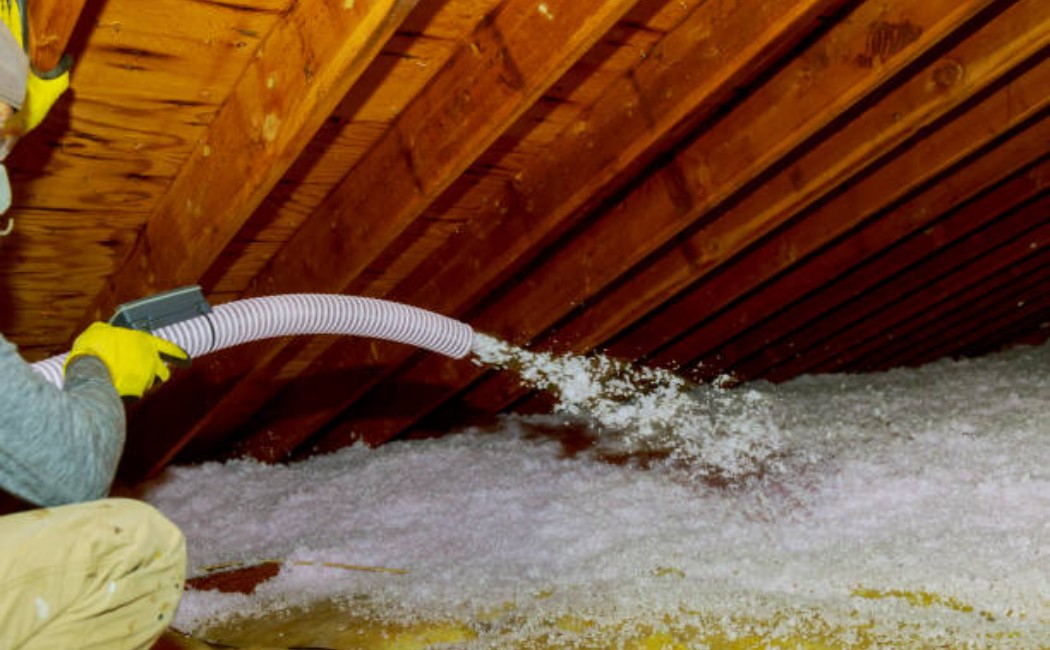
3. Cellulose insulation
This type of insulation is made of recycled paper products. This material is highly environmentally friendly and also works efficiently, especially in the building’s wall cavities and attics.
4. Rigid foam boards
These boards work great for the foundations and exterior walls of your building. They are a worthwhile investment for energy efficiency due to the fact that they have great R-values.
Evaluating insulation material can also require factors that go beyond cost.
Some factors to consider are the insulation:
- R-Value: This is the measure of the insulation’s thermal resistance. A bigger number is better.
- Moisture Resistance: This is especially important in the basement, on roofs, and in places that have a high level of moisture.
- Soundproofing: Some insulation types also have the added benefit of reducing noise.
- Environmental Impact: Eco-friendly materials lower carbon footprint.
To receive optimal expert guidance, collaborating with general insulation services professionals helps you identify the best insulation type for maximum efficiency.
Choosing Insulation That Saves Energy
The modern insulation systems provide comfort and sustainable options. Energy-saving insulation options include:
- Sealing spray foam insulation
- Reflective insulation that reflects heat
- High-density fiberglass batts for walls and attics
- Eco-friendly cellulose for sustainable insulation
These options lower energy costs, making your property more valuable.
Insulation for Residential Vs Commercial
Insulation for Homes
The three main focuses for home insulation are comfort, energy efficiency, and cost. The attic, walls, and basement insulation options are foam, cellulose, fiberglass, and spray insulation.
Insulation for Businesses
With commercial properties, insulation needs are more demanding. The size of the space and amount of energy warranted require foam, spray foam, and a special type of acoustic insulation.
Why Choose T&A Insulation for Your Property
We focus on quality general insulation services in the residential and commercial sectors. Our professionals work closely with clients to customize solutions that enhance energy efficiency, lower utility costs, and improve indoor comfort. Our extensive inventory contains various types of insulation, including spray foam and fiberglass, as well as green alternatives. T&A Insulation seeks to provide clients with lasting peace of mind by offering precise installations and customer satisfaction. Let us ease your investment anxiety by making your premises more energy efficient and comfortable.
Final Thoughts
The proper insulation benefits the property’s comfort, energy efficiency, value, and more. T&A Insulation becomes your reliable partner in General Insulation Services, offering bespoke insulation, professional installation, and added value. Our team optimizes energy saving results for durable performance, so you enjoy the benefit for years. Upgrading insulation in your premises shouldn’t take long, so reach out to T&A Insulation for a tailored solution to make your business or home as comfortable and efficient as your investment requires. Don’t delay in making a wise insulation choice. Begin by contacting us today.
Frequently Asked Questions
Q1: How can I tell which insulation will suit my home best?
Your home’s insulation should align with your energy goals, as well as your property’s layout, climate, and other factors. Consider insulation’s R-value, moisture resistance, and soundproofing. Recommended materials include spray foam, fiberglass, and cellulose.
Q2: How does insulation differ within residential and commercial spaces?
Residential insulation prioritizes comfort and energy efficiency within confined spaces, whereas commercial insulation needs to cover large areas and manage high energy loads; retail spaces, for example, have to include acoustic control. This, of course, changes material selection.
Q3: Can insulation help with better indoor air quality?
Indeed, as a result of improved insulation, there will be fewer drafts, which leads to less moisture buildup. This, in turn, helps to reduce the buildup of everything, including mold, dust, and other unhealthy indoor air pollutants.
Q4: How much will my energy bills go down with insulation?
The extent of energy savings will depend on the size of the property, the current insulation in place, and the climate. In general, energy bills can be expected to go down by 10 to 50% with proper insulation.
Q5: What is the best way to inspect insulation for lost efficiency over time?
Going over the insulation on a per-interval basis, in order to check for water damage, compression, or even gaps, is very important. Always replace insulation that is past its years, as this helps maintain energy efficiency.