
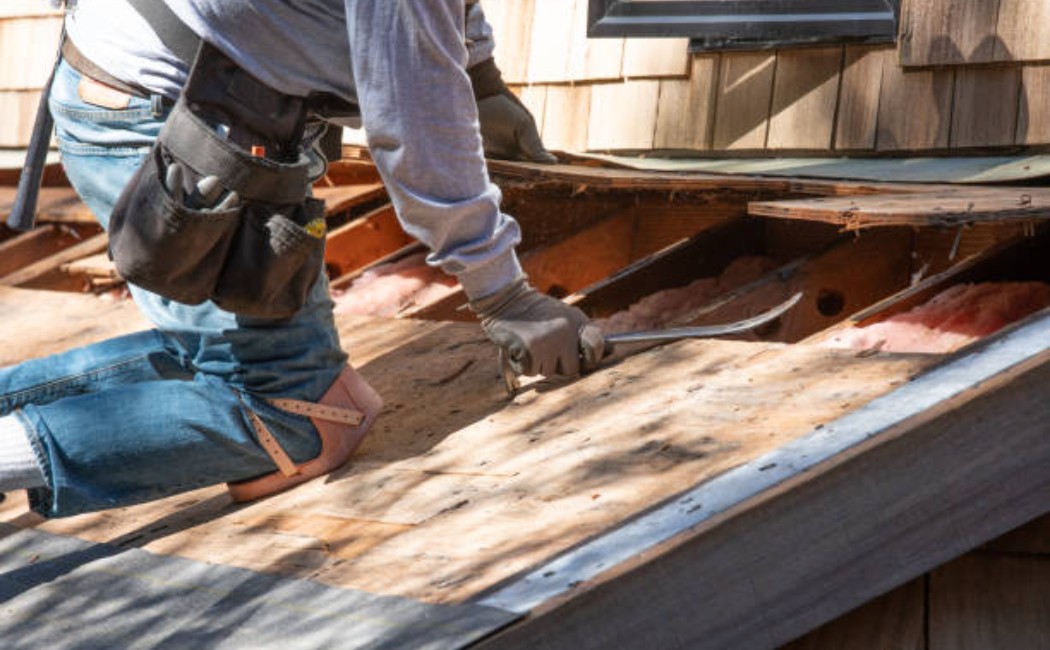
Taking out old insulation from a house or a building is not as easy as it seems. Some insulation can become compacted, contaminated, or damaged, which makes it harder. Removing old insulation is dull, and if not done correctly, can cause unwanted odors, danger to people’s health, and lower energy efficiency.
If you tried removing insulation and thought it would be an easy fix, it could be more difficult than you expect. Many things could be causing an issue, including hidden moisture, structural problems, old and dated removal techniques, pests, and more. This guide tries to see what signs to watch out for and how to keep a home or building safe, efficient, and comfortable.
Challenges of Removing Old Insulation
When it comes to removing insulation, people often do not see all of the difficulties that come with it. Insulation can do the following over the years:
- Collapse and not do its job
- Contain dust, dirt, and chemicals
- Get wet, moldy, and leak due to the roof deteriorating
- Get contaminated due to pests and rodents
- Get stuck in tight spaces
Because of these things, removing insulation is not an easy job and requires a skilled professional with the right tools, equipment, and safety training.
Why Your DIY Insulation Removal Doesn’t Work
The insulation can often be seen as an easy and quick weekend project, but that is not the case. DIY insulation removal often is not successful because of these reasons:
- Using household vacuums that are meant for other things and do not have the right capabilities to get the insulation out.
- Not using the right protective equipment that is needed to contain the dust and mold
- Not removing all of the insulation that is stuck in the corners and inaccessible places in the basement, attic, and crawl spaces
- Not looking for and removing the additional moisture, damaged structure that is often not seen.
These things often leave insulation that is still there, and that creates additional energy issues that can cause lasting damage to the home.
The Chip Seal Process
Insulation removal can be compared to the chip seal process. With paving, a road has certain standards that it must meet to be considered complete. With insulation, there are also certain standards that removing it must meet. Insulation removal also takes a lot of planning and needs tools to get the job done. If the process is rushed, it can lead to insulation being left behind that has to be picked out later.
Stay Away From Dangerous Insulation Problems
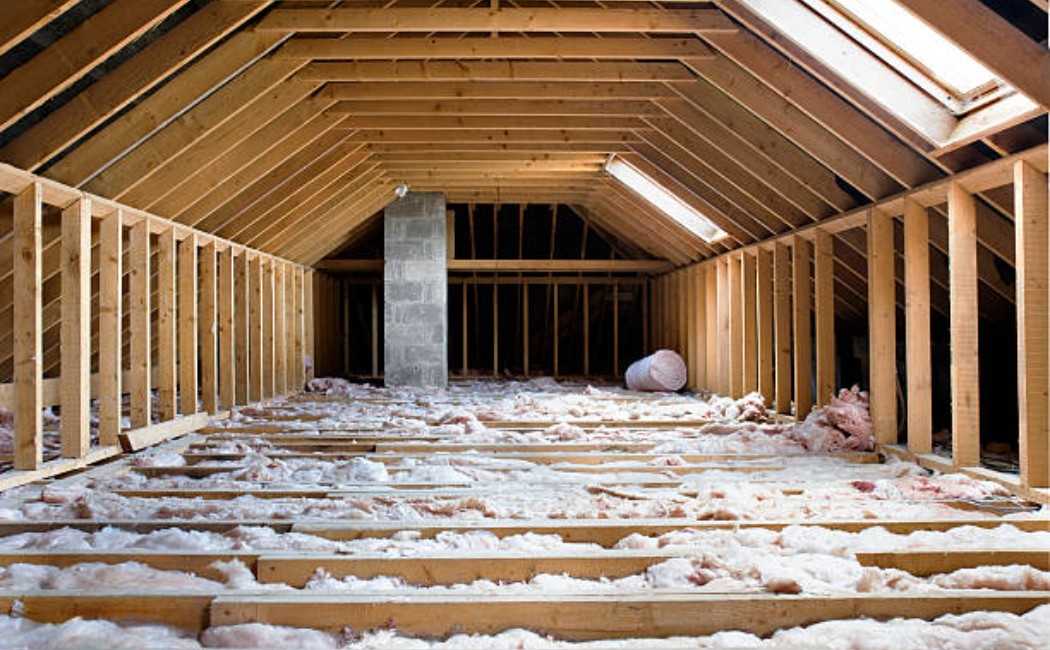
With the old insulation, there can be big problems like old mold, rodent droppings, and particles in the air, as well as old fiberglass insulation that becomes air toxins, and all of this is a major health risk for the family.
Old Insulation Risks
- Mold can grow and be a respiratory problem.
- Bacterial dust can be contaminated
- Mouse or insect infections may occur
- Loss of insulation capability can cause increased energy costs
Professionals can help with all of these risks. If a Chip Seal Paving Company can be used as a similarity, just like paving experts help with structural stability, insulation removal experts help with the stability, safety, and efficiency of your home.
Safety Tips:
- Wear the proper gear like gloves, sunglass, and a respirator
- Do not handle the wet insulation alone
- Make sure children and animals stay out of the work area
- Seal insulation in disposal bags when done
Remove Insulation Damage You Can’t See
Removing insulation loses efficiency when other issues go natural. Sometimes, hidden issues, like moisture, leaks, mold, beasts, and pests, can stop insulation removal.
Signs You Have Damage You Can’t See
- Different areas of the house with varying temperatures
- Strange, smelly, or strong fragrances
- You or other people have allergies, respiratory issues, or other health complications
- Energy bills increase to a degree that can no longer be attributed to temperature changes
These are signs of hidden issues, which are common obstacles to insulation removal. Trained professionals can spot these issues, like a Chip Seal Paving Specialist can see the cracks in the ground that need complex repairs.
The Importance of Hidden Damage
Over time, failing to address hidden issues will let the insulation fade faster. You will also wind up needing to spend more on useless repeated insulation removal. Lastly, your indoor air quality will go down, and the heating or cooling will wind up getting more and more expensive.
Why Insulation Removal Fails
Even using the right equipment, insulation removal can fail for many reasons.
- Not Full Removal: Corner spaces left behind in the attic, small crawl spaces, insulation that is tough to remove, etc.
- Do It Yourself Mistakes: Not wearing protective equipment, such as masks, which are necessary when removing insulation; carrying out the removal in the presence of water, which may allow the spread of mold; neglecting to completely seal/secure spaces in the attic, walls, or other structures.
- How professionals would compare to this: Just as a road construction company wouldn’t just cover a small section of the road when repairing, professionals need to cover the removal of insulation.
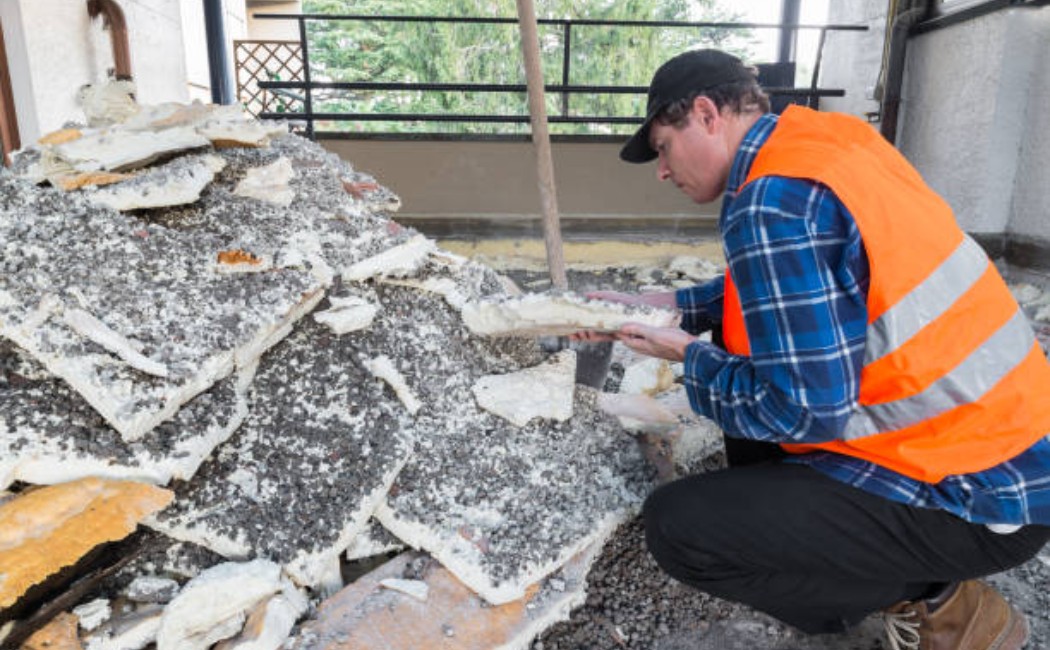
Pro Tips For Removing Insulation Like A Pro
Letting someone do it saves time and helps them stay safe and healthy, and saves energy. Experts have the right implements, and they follow the safety protocols.
Here’s what is different about them:
- Big vacuum hoses made for industry
- Protective gear and gas masks
- Structural moisture or damage inspections
- Complete debris removal
- Upgrading or replacing insulation right away
Other Things To Consider
- Get it done before other insulation is added
- Take out the insulation in sections to minimize the dust
- Look for mold, pests, or water damage
Remove air properly from the area while the insulation is being removed
Think about how it is done in the Chip Sealing Provider method to homes, meticulous planning, the right implements, and the job is done right to give long-term results.
Signs of Getting Bad Insulation
Knowing when insulation is failing is critical for knowing when to take insulation out and replace it.
Common Signs
- Cold drafts during winter or overheating during summer.
- Insulation is clumpy, drooping, or it is simply compacted.
- Insulation releases dust from various particles.
- Can always smell that musty smell.
- Energy utilities have increased.
All of these signs indicate the need to take out insulation to improve comfort and efficiency.
Why Are We The Best Company For Your Project?
T and A Insulation is your dependable Old Insulation Removal Company. They are removing:
- Attic Insulation
- Basement Insulation
- Blown-In Insulation
- Residential Insulation
We offer insulated barrier removals and are skilled insulation removal specialists. For any insulation removed, big or small, they are the best insulation removal company for a clean, energy-efficient home.
Conclusion
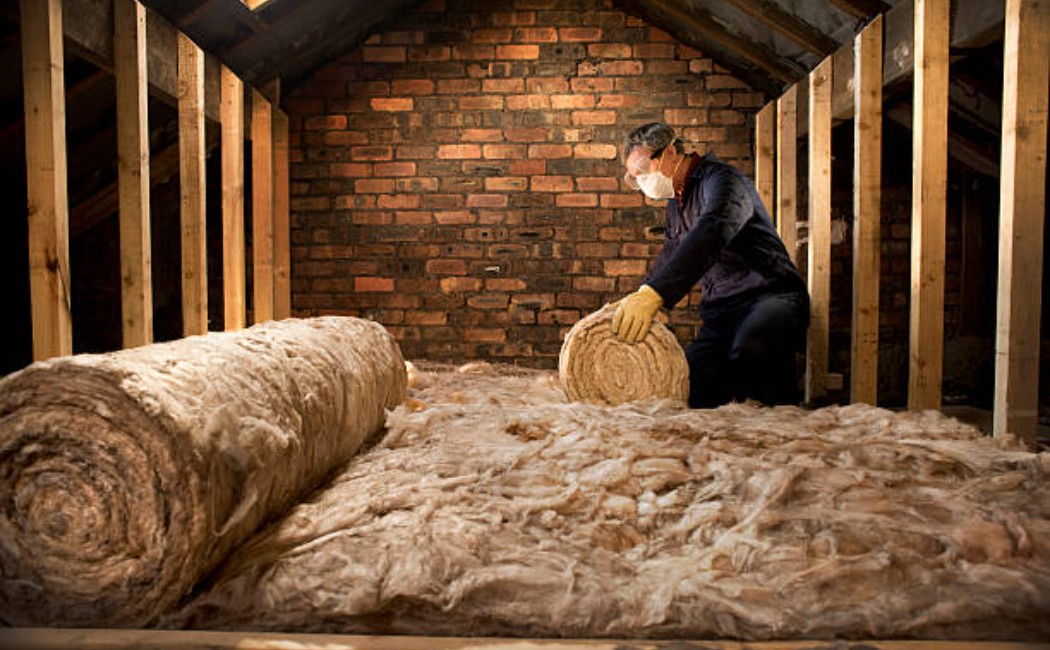
If your previous insulation has not worked, your issues are likely due to hidden moisture, pests, or other structural problems. The best method is to get a professional structural inspection, then do a comprehensive removal, then do careful replacement. This works to keep your home safe, energy efficient, and comfortable.
Hire trained professionals to do insulation removal and save yourself from repeating the problems, and save your investment.
Frequently Asked Questions
Why is not the removal of my old insulation not working?
This is usually due to hidden moisture, pests, or unfinished clearing.
Can I do insulation removal myself?
There are threats of mold, dust, and asbestos from your removal; pros are more expensive, but they are safer.
How long does insulation removal take?
It takes 2 to 6 hours, but that depends on how big the attic is and how bad its condition is.
How do I know if insulation is damaged?
Drafty windows, dank smells, dropping insulation, and increased energy costs are strong indicators.
Will new insulation increase insulation efficiency?
Absolutely! Having it replaced correctly can even help save on heating and cooling 30% to 40% of the time.